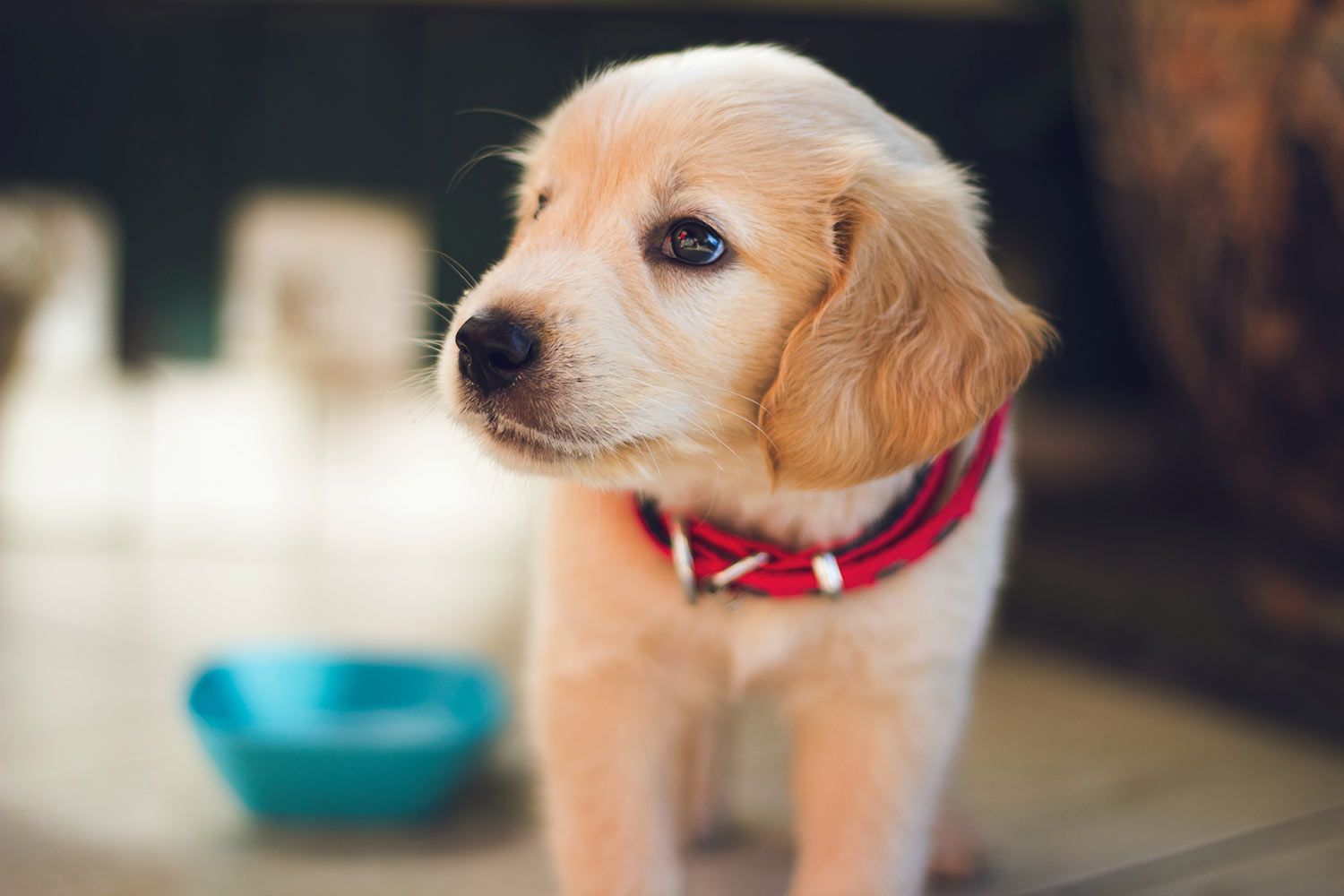
20 Best Family Dogs: Which Breed is Perfect for Your Kids?
Choosing a family dog is one of the most significant decisions a household can make. It is about more than just picking a cute face from a shelter or a breeder; it is about bringing a new member into your inner circle—a companion who will witness your children’s milestones, offer comfort during tough times, and provide endless hours of entertainment.
The bond between a child and a dog is legendary. Research shows that children who grow up with pets often develop higher self-esteem, better social skills, and a deeper sense of empathy. However, not every dog is suited for the chaotic, high-energy environment of a home with children. Some breeds thrive on the noise and play, while others prefer a quiet, predictable life.
In this comprehensive guide, we explore the top 20 dog breeds that are world-renowned for their patience, affection, and protective nature toward children. From “gentle giants” to pint-sized playmates, here is everything you need to know to find your family’s new best friend.
What Makes a Great Family Dog?
Before diving into the breeds, it is essential to understand the criteria that define a “family-friendly” dog. While individual personality varies from dog to dog, certain traits are hardwired into specific breeds.
1. Temperament
This is the most critical factor. A good family dog should be calm, patient, and not easily startled. They need to handle the occasional accidental tail-tug or loud scream without reacting aggressively.
2. Energy Level
Match the dog’s energy level to your family’s lifestyle. If you are an active family that hikes every weekend, a high-energy breed is perfect. If you prefer backyard play and movie nights, a more mellow companion is better.
3. Size
Size isn’t just about how much room they take up on the couch. Large dogs are often more “sturdy” and can handle rougher play from older children, but they might accidentally knock over a toddler. Small dogs are portable but can be fragile and may become nippy if they feel physically threatened by a child.
4. Trainability
A dog that is eager to please and easy to train will make your life much easier. Intelligence is great, but “biddability”—the desire to listen to its owner—is what really counts in a busy household.
The Top 20 Family Dog Breeds
1. Labrador Retriever
For decades, the Labrador Retriever has held the title of the most popular dog in many countries, and for good reason. Labs are the quintessential family dog. They are incredibly patient, highly intelligent, and possess a “joie de vivre” that is infectious.
- Why they love kids: Labs see children as playmates. They are sturdy enough for a game of tag and gentle enough to snuggle during nap time.
- Maintenance: They require significant exercise and do shed, so be prepared for daily walks and regular vacuuming.
2. Golden Retriever
If the Lab is the energetic athlete, the Golden Retriever is the soulful intellectual. Goldens are famous for their “soft mouths” and even softer hearts. They are exceptionally patient with children who are still learning how to interact with animals.
- Why they love kids: Their primary goal in life is to make their humans happy. They are rarely aggressive and are known to be extremely tolerant of a child’s antics.
- Maintenance: Their beautiful long coats require regular brushing to prevent matting and manage shedding.
3. The Beagle
Small in size but big in personality, the Beagle was originally bred as a pack hound. This “pack” mentality translates perfectly to a human family; the Beagle views your kids as members of its tribe.
- Why they love kids: Beagles are sturdy, energetic, and love to explore. They are great for active kids who want a dog to follow them on backyard adventures.
- Maintenance: They have a strong “hound scent” and a loud bark (howl), which is something to consider if you have close neighbors.
4. Bulldog (English or French)
For families living in smaller homes or those who prefer a less vigorous lifestyle, the Bulldog is a fantastic choice. Whether it’s the larger English Bulldog or the smaller Frenchie, these dogs are built for comfort.
- Why they love kids: Bulldogs are famously docile and incredibly sturdy. They are unlikely to be bothered by a toddler leaning on them.
- Maintenance: They are prone to overheating and respiratory issues due to their flat faces, so they need a climate-controlled environment and moderate exercise.
5. Poodle (Standard, Miniature, or Toy)
Don’t let the fancy haircuts fool you; Poodles are highly intelligent, athletic, and surprisingly hardy dogs. The Standard Poodle is particularly good for families because of its size and calm demeanor.
- Why they love kids: They are easy to train and very intuitive. They often “tune in” to the emotions of their family members.
- Maintenance: They are hypoallergenic, making them the top choice for families with allergies. However, professional grooming every 6–8 weeks is a must.
6. Irish Setter
Known for its striking red coat and boundless energy, the Irish Setter is the “Peter Pan” of the dog world. They stay puppy-like in their playfulness for many years.
- Why they love kids: They are incredibly social and hate being left alone. They thrive in large, active families where someone is always around to play.
- Maintenance: They need a lot of space to run. A fenced-in yard is almost mandatory for this breed.
7. Vizsla
Often called “Velcro dogs,” Vizslas form an intense bond with their owners. If your child wants a dog that will literally never leave their side, the Vizsla is it.
- Why they love kids: They are gentle, affectionate, and very sensitive. They respond best to positive reinforcement and “gentle” play.
- Maintenance: They have very little body fat and short coats, meaning they get cold easily and need to live indoors.
8. Newfoundland
Often called “The Nanny Dog,” the Newfoundland is the ultimate gentle giant. Despite their massive size (reaching up to 150 pounds), they are incredibly soft-tempered and protective.
- Why they love kids: They have a natural instinct to watch over and protect children. There are countless stories of Newfoundlands “herding” children away from danger.
- Maintenance: They drool. A lot. They also require a lot of grooming and a house with plenty of floor space.
9. Collie
Immortalized by “Lassie,” the Collie is a devoted, intelligent, and highly predictable breed. They are herding dogs, which means they are very observant of their surroundings.
- Why they love kids: Collies are very protective without being aggressive. They like to keep the “flock” (the kids) together and safe.
- Maintenance: The “Rough” Collie (long hair) needs frequent brushing, while the “Smooth” Collie (short hair) is much easier to maintain.
10. Bull Terrier
Often mistaken for aggressive breeds, the Bull Terrier was actually bred to be a companion dog. They are “all-muscle” and can handle the rough-and-tumble play of older, active children.
- Why they love kids: They have a high pain threshold and a goofy, fun-loving personality. They are often described as “three-year-olds in a dog suit.”
- Maintenance: They require firm, consistent training and plenty of mental stimulation to prevent boredom-based mischief.
11. Cavalier King Charles Spaniel
This is arguably the best “lap dog” for families. Small, silky, and incredibly sweet, the Cavalier is the definition of a companion animal.
- Why they love kids: They are very gentle and thrive on physical affection. They are perfect for children who want a dog to sit with them while they read or watch TV.
- Maintenance: They are prone to certain heart conditions, so buying from a reputable breeder who does health screenings is vital.
12. Boxer
Boxers are the clowns of the dog world. They are high-energy, athletic, and possess a unique way of “boxing” with their front paws during play.
- Why they love kids: They are naturally protective and have a “silly” side that resonates perfectly with children. They are patient but also great watchdogs.
- Maintenance: They need daily vigorous exercise. A tired Boxer is a well-behaved Boxer.
13. Bernese Mountain Dog
The “Berner” is a large, tri-colored beauty from the Swiss Alps. They are known for their calm, steady, and affectionate nature.
- Why they love kids: They are very patient with children and tend to be less “skittish” than other breeds. They are happy to just “be” with the family.
- Maintenance: They have a relatively short lifespan (7–10 years) and shed quite a bit, but their loving nature makes every year worth it.
14. Portuguese Water Dog
Gaining fame as the dog of choice for the Obama family, the “Portie” is an adventurous, athletic, and intelligent breed.
- Why they love kids: They love water and outdoor activities. If your family spends time at the lake or the pool, this dog will be in its element.
- Maintenance: Like Poodles, they are hypoallergenic but require significant grooming and mental stimulation.
15. Boston Terrier
Nicknamed “The American Gentleman,” the Boston Terrier is a small, sturdy dog with a tuxedo-like coat and a very friendly disposition.
- Why they love kids: They are sturdy enough not to be easily injured by children but small enough to live comfortably in an apartment.
- Maintenance: They are very easy to groom and have moderate exercise needs, making them great for busy families.
16. Basset Hound
If you want a dog that will never outrun your toddler, the Basset Hound is a prime candidate. Known for their long ears and mournful eyes, they are incredibly laid-back.
- Why they love kids: They are very tolerant and rarely show aggression. They are happy to spend the day lounging on the floor with the kids.
- Maintenance: Their ears need regular cleaning to prevent infections, and they can be stubborn when it comes to training.
17. Border Terrier
Unlike many other terrier breeds which can be “feisty” or “nippy,” the Border Terrier is known for having a much more relaxed temperament while still retaining a playful spirit.
- Why they love kids: They are tough, wiry little dogs that love to play fetch and go on walks. They are less “yappy” than other small breeds.
- Maintenance: They have a weather-resistant coat that needs occasional “stripping” but very little daily maintenance.
18. Old English Sheepdog
The “shaggy dog” of movies, this breed is famous for its playfulness and its “bear-like” shuffle. They are protective and very affectionate.
- Why they love kids: They are known to be “babysitters,” often staying close to children to ensure they are safe.
- Maintenance: That iconic coat is a full-time job. Unless you keep them in a “puppy cut” (short hair), expect to brush them daily.
19. Pug
Pugs live for human attention. They are small, charming, and possess a sense of humor that makes them a hit with children of all ages.
- Why they love kids: They are not delicate like some other toy breeds. They are sturdy little “loaves” that enjoy being part of the action.
- Maintenance: They shed more than you would expect for a short-haired dog and are prone to overheating in the summer.
20. Mutts (The All-American Shelter Dog)
While purebreds offer predictability, never underestimate the power of a “mutt.” Mixed-breed dogs often benefit from “hybrid vigor,” meaning they can be healthier than purebreds.
- Why they love kids: Many shelter dogs seem to have a sense of gratitude and form incredible bonds with the families that “rescue” them.
- Maintenance: Varies by the individual dog. When adopting, look for a “foster-based” rescue where the dog has already lived in a home with children.
The Checklist: Before You Bring Your Dog Home
Once you have narrowed down your list to a few favorite breeds, it is time to prepare. A dog is a 10–15 year commitment, and the first few months are crucial for setting the tone of the relationship.
1. Puppy vs. Adult Dog
Puppies are adorable, but they are a lot of work. They need potty training, chew on everything, and have sharp “land shark” teeth that can be scary for toddlers. An adult dog (2 years or older) often comes with basic training and a more settled temperament, which can be a godsend for overwhelmed parents.
2. Time Commitment
Do you have the time to walk a dog twice a day? Do you have time for training classes? If the answer is “not really,” consider a lower-energy breed like a Basset Hound or a Bulldog.
3. Budget
Beyond the initial cost of the dog, you must factor in:
- High-quality food.
- Annual vet visits and vaccinations.
- Flea, tick, and heartworm prevention.
- Grooming costs.
- Emergency medical fund.
Teaching Your Kids “Dog Etiquette”
Even the most patient dog in the world has its limits. Most dog bites involving children happen because the child didn’t understand the dog’s body language. To ensure a safe environment:
- No “Hugging”: While humans love hugs, most dogs find them threatening or restrictive. Teach children to pet the dog on the chest or chin instead.
- Respect the “Safe Zone”: When the dog is in its crate or on its bed, it should be left alone. This is their “off-duty” time.
- No Food Interference: Teach kids never to touch a dog’s bowl while they are eating.
- Body Language 101: Teach your kids what a “happy” dog looks like (loose body, wagging tail) versus a “stressed” dog (licking lips, showing whites of eyes, stiff body).
Common Questions (FAQ)
Which dog breed is the most patient with toddlers?
The Golden Retriever and the Newfoundland are widely considered the most patient. Their naturally calm dispositions make them less likely to react to the unpredictable movements of a toddler.
What is the best hypoallergenic dog for a family?
The Standard Poodle and the Portuguese Water Dog are excellent choices. They produce much less dander and do not shed, which are the primary triggers for allergies.
Can I have a high-energy dog if I live in an apartment?
Yes, but you must be committed to multiple long walks and trips to the dog park daily. Breeds like the Vizsla or Boxer can live in apartments if their physical needs are met, but they would much prefer a yard.
How do I introduce a new dog to my children?
Introduction should be done in a neutral territory if possible. Keep the dog on a leash and have the children sit calmly. Let the dog approach the children at its own pace. Never force an interaction.
Conclusion: Making the Final Choice
The “best” family dog is ultimately the one that fits into your specific life. There is no one-size-fits-all answer. A Labrador might be perfect for a family of five with a big backyard, while a Pug might be the soulmate of a single parent living in a city condo.
Take your time. Visit breeders, talk to rescue organizations, and if possible, “foster-to-adopt” to see how the dog interacts with your children in your own home. When you find the right match, you aren’t just getting a pet; you are starting a chapter of your life that will be filled with wagging tails, wet kisses, and memories that your children will cherish for the rest of their lives.
Dogs teach our children about life, death, loyalty, and the purest form of unconditional love. Whichever of these 20 breeds you choose, you are giving your child the gift of a lifetime.