
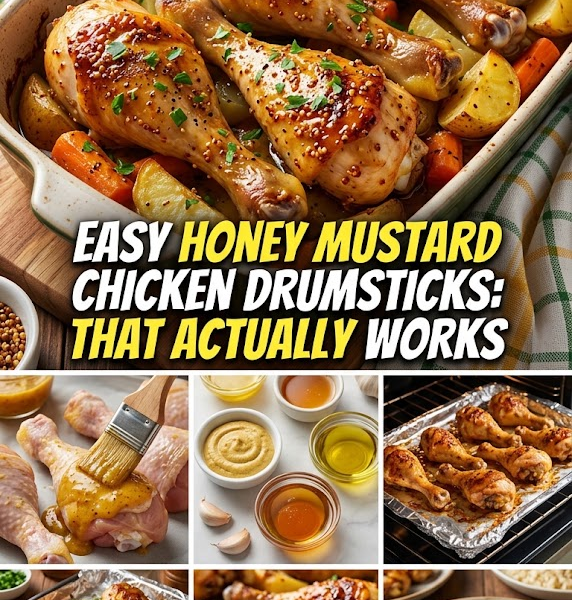
There is a specific kind of magic that happens when the sharp, nasal tang of mustard meets the mellow, floral sweetness of honey. It is one of the most iconic flavor pairings in the culinary world, yet so many people struggle to translate that magic onto a piece of chicken. We’ve all been there: you follow a recipe only to end up with a watery sauce that slides right off the meat, or worse, a burnt, bitter crust that leaves the inside of the chicken dry and flavorless.
If you are looking for the definitive guide to making honey mustard chicken drumsticks that are juicy on the inside, shatteringly crisp on the outside, and coated in a glaze that actually sticks, you have arrived. This isn’t just a recipe; it’s a masterclass in the science of the glaze, the anatomy of the drumstick, and the secrets to weeknight dinner success.
Why the Drumstick is the King of the Weeknight Dinner
In the world of poultry, the breast often gets all the glory, but the drumstick is the unsung hero of the kitchen. For this specific recipe, drumsticks are superior for several reasons:
- Forgiveness: Unlike chicken breasts, which can turn into cardboard if overcooked by even two minutes, drumsticks are dark meat. They are rich in connective tissue and fat, meaning they stay moist and succulent even if they stay in the oven a little longer than intended.
- Affordability: In an era of rising grocery prices, drumsticks remain one of the most budget-friendly cuts of protein available. You can feed a whole family—and have leftovers—for a fraction of the cost of steak or seafood.
- The “Hand-Held” Factor: There is something inherently satisfying about eating a drumstick. It’s built-in portion control and a fun, tactile experience that kids and adults alike enjoy.
- Skin-to-Meat Ratio: The drumstick offers a high surface area of skin. When we’re talking about a honey mustard glaze, more skin means more area for that glaze to caramelize and crisp up.
The Science of the Perfect Honey Mustard Glaze
To understand why this recipe “actually works,” we have to look at the chemistry of the ingredients. A great honey mustard isn’t just honey and mustard mixed in a bowl; it’s a balance of four critical elements: Sweet, Tangy, Spicy, and Umami.
1. The Sweet: Honey
Honey does more than just sweeten the dish. Because of its sugar content, it facilitates the Maillard reaction—the chemical reaction between amino acids and reducing sugars that gives browned food its distinctive flavor. For this recipe, a clover or wildflower honey works best. Avoid overly dark honeys like buckwheat, which can overpower the mustard.
2. The Tangy: Mustard
The mustard provides the acidity needed to cut through the richness of the chicken fat. For the best results, use a combination. Dijon mustard provides a sophisticated, sharp bite, while Yellow mustard adds that nostalgic tang and a vibrant color that makes the dish pop.
3. The Spicy: Aromatics
While honey mustard is generally mild, adding a pinch of cayenne pepper or smoked paprika elevates the dish. It creates a “back-of-the-throat” warmth that prevents the honey from feeling cloying.
4. The Umami: Salt and Garlic
Without salt, the honey and mustard will taste flat. Garlic (whether fresh or powdered) adds a savory depth that bridges the gap between the sweet glaze and the savory meat.
The Master Recipe: Easy Honey Mustard Chicken Drumsticks
This recipe is designed to be foolproof. It uses standard pantry staples but employs specific techniques to ensure the texture is perfect every single time.
Ingredients
The Chicken:
- 3 to 4 lbs Chicken Drumsticks (approx. 10-12 drumsticks)
- 2 tbsp Olive oil (to help the skin crisp)
- 1 tsp Kosher salt
- 1/2 tsp Cracked black pepper
The Signature Glaze:
- 1/2 cup Honey (locally sourced if possible)
- 1/4 cup Dijon Mustard
- 2 tbsp Whole Grain Mustard (for texture)
- 1 tbsp Yellow Mustard (for that classic tang)
- 2 cloves Garlic, minced (or 1 tsp garlic powder)
- 1/2 tsp Smoked Paprika
- 1/4 tsp Cayenne pepper (optional, for a kick)
- 1 tbsp Apple Cider Vinegar (the secret ingredient for brightness)
Instructions
Step 1: The “Dry Prep”
The biggest mistake people make with glazed chicken is starting with wet skin. If the skin is wet, the oil won’t adhere, the skin won’t crisp, and the glaze will slide off into the bottom of the pan.
- Remove the drumsticks from the packaging.
- Pat them dry with paper towels until they are bone-dry to the touch.
- Place them in a large bowl and toss with olive oil, salt, and pepper. This initial layer of seasoning ensures the meat tastes good even under the sauce.
Step 2: The First Bake
Preheat your oven to 400°F (200°C). Line a large baking sheet with parchment paper or aluminum foil for easy cleanup.
- Arrange the drumsticks on the tray, making sure they aren’t touching. Air circulation is key to crispiness.
- Bake the chicken plain for 20-25 minutes.
- Why bake before glazing? Honey burns quickly. If you put the glaze on at the start, the sugar will burn before the chicken is cooked through. By pre-baking, we render the fat and crisp the skin first.
Step 3: Making the Glaze
While the chicken is in its first phase of cooking, whisk together the honey, all three types of mustard, minced garlic, smoked paprika, cayenne, and apple cider vinegar in a small bowl. The vinegar is crucial here—it thins the honey just enough to make it brushable while adding a necessary acidic punch.
Step 4: The Glazing Phase
Remove the chicken from the oven after the initial 25 minutes.
- Using a pastry brush, generously coat each drumstick with the honey mustard mixture.
- Return the tray to the oven and bake for another 10-15 minutes.
- For the ultimate “sticky” finish, take the tray out one last time, apply a second coat of glaze, and turn the oven to Broil for 2-3 minutes. Keep a close eye on it—the transition from “perfectly caramelized” to “burnt” happens in seconds!
Step 5: The Rest
Internal temperature should reach 165°F (74°C) at the thickest part of the meat (though drumsticks are even better at 175°F-185°F as the collagen breaks down further). Let the chicken rest for 5 minutes before serving. This allows the juices to redistribute and the glaze to set into a tacky, finger-licking coating.
Pro-Tips for the Best Results
Use a Wire Rack
If you want the skin to be crispy all the way around (no “soggy bottoms”), place a wire cooling rack inside your baking sheet. Set the drumsticks on the rack. This allows the hot air to circulate under the chicken, mimicking the effects of an air fryer.
Fresh vs. Powdered Garlic
While fresh garlic offers a punchy flavor, garlic powder actually works better for a smooth glaze. If you use fresh garlic, make sure it is minced very finely so it doesn’t burn and become bitter during the broiling phase.
The Double-Dip Method
If you have extra time, dip the drumsticks directly into the bowl of glaze rather than brushing them. This ensures every nook and cranny is filled with sauce.
Variations to Keep Things Interesting
Once you master the base recipe, you can tweak the flavor profile to suit your mood.
1. Spicy Hot Honey Mustard
Swap the regular honey for Mike’s Hot Honey (or add a teaspoon of red chili flakes and a dash of Sriracha). This version is a favorite for those who love a “sweet heat” profile.
2. Creamy Honey Mustard
If you prefer a richer, more decadent sauce, whisk in 2 tablespoons of mayonnaise or Greek yogurt into the glaze after the chicken is cooked, and use it as a dipping sauce on the side.
3. Garlic Herb Honey Mustard
Add 1 teaspoon of dried rosemary or thyme to the glaze. The earthiness of the herbs pairs beautifully with the floral notes of the honey and the sharpness of the mustard.
4. Smoky Bourbon Honey Mustard
Add 1 tablespoon of your favorite bourbon and a drop of liquid smoke to the glaze. This gives the chicken a “backyard BBQ” feel even when cooked in an indoor oven.
Alternative Cooking Methods
While the oven is the most consistent method for large batches, you can adapt this recipe for other appliances.
Air Fryer Instructions
The air fryer is a game-changer for drumsticks because of its intense convection heat.
- Season and oil the drumsticks.
- Air fry at 380°F for 18 minutes, shaking the basket halfway through.
- Brush on the honey mustard glaze.
- Air fry for another 4-5 minutes at 400°F until bubbly and charred.
Slow Cooker (Crock-Pot) Instructions
This will result in “fall-off-the-bone” meat, though you will sacrifice the crispy skin.
- Place drumsticks in the slow cooker.
- Pour the honey mustard mixture over them.
- Cook on Low for 4-5 hours or High for 2-3 hours.
- Optional: Transfer to a baking sheet and broil for 5 minutes to caramelize the sauce.
Grilling Instructions
- Preheat grill to medium-high.
- Grill the drumsticks over indirect heat for 25-30 minutes, turning occasionally.
- Move to direct heat and brush with the glaze for the final 5-10 minutes of cooking. Be careful with flare-ups caused by the dripping honey!
Perfect Side Dish Pairings
A great main course deserves supporting actors that complement its flavors. Here are the best sides to serve with Honey Mustard Chicken:
1. Garlic Mashed Potatoes
The creamy texture of the potatoes is the perfect vessel for any extra glaze that drips off the chicken. The savory garlic balances the sweetness of the honey.
2. Roasted Brussels Sprouts with Bacon
Brussels sprouts have a natural bitterness that is elevated by the sweetness of the chicken’s glaze. The addition of crispy bacon adds a salty crunch that rounds out the meal.
3. Vinegar-Based Coleslaw
Instead of a creamy mayo slaw, try a zesty vinegar-based one. The acidity helps cleanse the palate between bites of rich dark meat.
4. Honey Glazed Carrots
If you’re leaning into the “sweet” theme, roasted carrots with a touch of butter and honey match the chicken perfectly.
5. Quinoa or Wild Rice
For a healthier option, a nutty wild rice pilaf absorbs the juices of the chicken and provides a complex texture.
Troubleshooting Common Issues
“My glaze is too thin!”
If your honey mustard is running off the chicken like water, your honey might be too warm or you may have added too much vinegar. You can thicken it by whisking in a teaspoon of cornstarch or by letting the sauce sit in the fridge for 20 minutes before brushing it on.
“The skin isn’t crispy.”
This usually happens because of moisture. Ensure you pat the chicken dry and don’t crowd the pan. If the drumsticks are too close together, they will steam each other instead of roasting.
“The honey is burning.”
This is why we wait until the last 15 minutes to glaze. If you notice it browning too quickly, move the oven rack down one level or tent the chicken loosely with foil.
Meal Prep and Storage
Honey Mustard Chicken Drumsticks are an excellent candidate for meal prep.
- Storage: Keep leftover drumsticks in an airtight container in the refrigerator for up to 4 days.
- Reheating: To maintain the crispy skin, avoid the microwave. Instead, reheat in a 350°F oven or an air fryer for 5-8 minutes.
- Freezing: You can freeze the raw drumsticks in the honey mustard marinade. When you’re ready to cook, thaw them in the fridge overnight. Note that the skin won’t be quite as crispy as the “fresh” method, but the flavor will be deeply infused into the meat.
The Nutritional Breakdown: Is it Healthy?
While honey contains sugar, this recipe is a significantly healthier alternative to fried chicken or store-bought frozen wings.
- Protein: Chicken drumsticks provide high-quality protein essential for muscle repair.
- Mustard Benefits: Mustard is low in calories and contains antioxidants like curcumin (found in turmeric, which gives yellow mustard its color).
- Honey Benefits: Raw honey contains trace amounts of local pollens and enzymes, though most of these are lost during the high-heat baking process.
- Portion Control: Drumsticks are naturally portioned, making it easier to track your intake compared to a large chicken breast.
To make this recipe “Light,” you can reduce the amount of honey and increase the amount of mustard and spices, or swap the honey for a sugar-free maple syrup or stevia-based sweetener (though the caramelization will differ).
Why This Recipe “Actually Works” vs. Others
If you browse the internet, you’ll find thousands of honey mustard chicken recipes. Here is why this specific version is the one you’ll keep coming back to:
- The Temperature Strategy: Most recipes tell you to bake at 350°F. This isn’t hot enough to render the fat in the skin efficiently. 400°F is the sweet spot for drumsticks.
- The Multi-Mustard Approach: Using only one type of mustard leads to a one-dimensional flavor. By mixing Dijon, Whole Grain, and Yellow, we create a complex profile that hits different parts of the palate.
- The Late-Glaze Technique: This is the most important factor. By letting the chicken cook through before adding the sugar-heavy sauce, we ensure the meat is safe to eat while the sauce stays bright and glossy rather than burnt.
Frequently Asked Questions
Can I use chicken thighs instead? Absolutely. Bone-in, skin-on thighs work perfectly with this exact method. Just increase the initial baking time by about 5-10 minutes as thighs are generally thicker than drumsticks.
Can I use frozen drumsticks? Yes, but they must be fully thawed before you begin. If you try to bake them from frozen, the outside will burn before the inside is safe to eat, and the excess moisture from the ice will make the glaze watery.
What kind of honey is best? For general cooking, a standard Grade A Clover honey is perfect. It’s affordable and has a neutral sweetness. Save the expensive Manuka or Raw Unfiltered honey for tea or toast where their subtle nuances won’t be lost in a hot oven.
Do I need to marinate the chicken? While you can marinate the drumsticks for 2-4 hours, it isn’t strictly necessary for this recipe. The glaze is so flavorful and the drumsticks are so juicy that the flavor is front-and-center regardless. If you do marinate, save half of the sauce (untouched by raw chicken) to brush on at the end for that glossy finish.
Conclusion: Your New Go-To Dinner
Cooking doesn’t have to be complicated to be extraordinary. The Easy Honey Mustard Chicken Drumstick is a testament to the power of high-quality ingredients and simple, sound techniques. It’s a dish that feels like a “treat” but requires minimal effort and cleanup.
Whether you are cooking for a picky toddler, hosting a casual game-day gathering, or just trying to get through a Tuesday evening with your sanity intact, this recipe is your secret weapon. The combination of the crackling, sweet-and-sharp skin and the tender, succulent meat is a culinary win every single time.
So, put down the takeout menu. Grab a pack of drumsticks and that jar of mustard in the back of your fridge. It’s time to make a meal that actually works.
Final Grocery List Reminder:
- Chicken Drumsticks (3-4 lbs)
- Honey
- Dijon Mustard
- Whole Grain Mustard
- Yellow Mustard
- Apple Cider Vinegar
- Garlic
- Smoked Paprika
- Cayenne Pepper
- Olive Oil
- Salt & Pepper
Happy Cooking!