
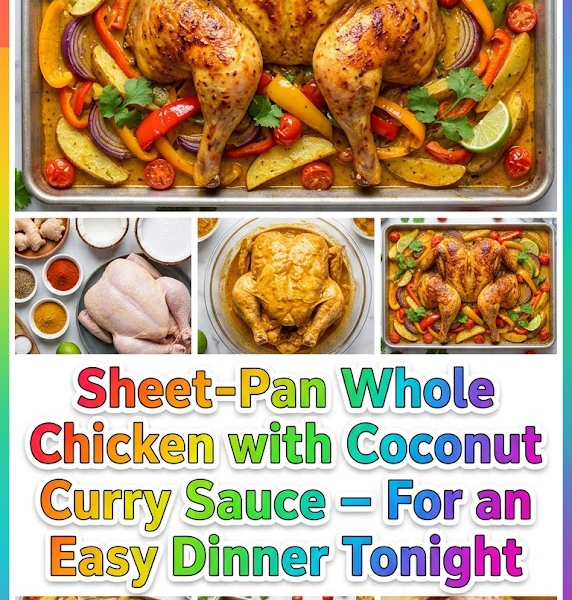
In the modern kitchen, where time is the most precious commodity, the sheet-pan dinner has emerged as a culinary savior. But while many sheet-pan recipes settle for basic seasonings or mundane ingredients, the Sheet-Pan Whole Chicken with Coconut Curry Sauce elevates the concept to a gourmet experience. This dish isn’t just a meal; it’s a masterclass in efficiency, flavor balancing, and texture. By combining the rustic charm of a whole roasted bird with the vibrant, aromatic depths of Southeast Asian spices, you create a dinner that feels like a weekend project but executes with weeknight ease.
Why Sheet-Pan Dinners Are a Modern Kitchen Revolution
The rise of the sheet-pan dinner isn’t just a social media trend; it’s a response to the logistical challenges of the contemporary household. The “one-pan” philosophy minimizes cleanup, reduces the need for complex timing across multiple burners, and allows the oven to do the heavy lifting.
When you roast a whole chicken alongside vegetables on a single tray, you initiate a symbiotic relationship between ingredients. As the chicken fat (schmaltz) renders, it coats the vegetables, seasoning them with a richness that oil alone cannot provide. In this specific recipe, that richness is further enhanced by a luscious coconut curry sauce that caramelizes on the skin and pools around the roasted aromatics, creating a built-in gravy that is both dairy-free and deeply satisfying.
Mastering the Art of the Whole Roasted Chicken
Roasting a whole chicken can be intimidating for some home cooks, but it is one of the most cost-effective and rewarding ways to prepare poultry. A whole bird provides a variety of textures—from the lean, tender breast meat to the rich, succulent thighs and drumsticks.
The Secret to the Perfect Sheet-Pan Roast: Spatchcocking
To make a whole chicken work effectively on a sheet pan, especially when paired with a sauce, spatchcocking (or butterflying) is the secret weapon. By removing the backbone and flattening the bird, you achieve several critical goals:
- Even Cooking: The dark meat and white meat finish at the same time because they are on the same plane.
- Maximized Skin Surface: Every inch of the skin is exposed to the dry heat of the oven, ensuring maximum crispiness.
- Speed: A spatchcocked chicken cooks significantly faster than a traditional trussed bird, often shaving 20 to 30 minutes off the roasting time.
The Alchemy of Coconut Curry Sauce
What sets this recipe apart is the infusion of coconut milk and curry paste. This isn’t a thin, watery sauce; it’s a concentrated glaze that transforms under heat.
The base typically utilizes Red Curry Paste, known for its bold chili heat, lemongrass, and galangal notes. When whisked with full-fat coconut milk, the sugars in the coconut milk begin to caramelize at high temperatures. This creates a “sticky-sweet-savory” crust on the chicken skin while the moisture from the coconut milk keeps the meat underneath incredibly juicy.
The Flavor Profile: A Balance of Four Pillars
Great Thai-inspired sauces rely on the balance of four key elements:
- Salt: Provided by fish sauce or sea salt.
- Acid: Fresh lime juice added at the end to brighten the heavy fats.
- Heat: From the red curry paste and fresh ginger.
- Sweet: A touch of brown sugar or honey to round out the spice.
The Master Recipe: Sheet-Pan Whole Chicken with Coconut Curry Sauce
This recipe serves 4 to 6 people and requires about 15 minutes of active prep time.
Ingredients You Will Need
For the Chicken:
- 1 whole chicken (approx. 4 lbs), spatchcocked.
- 2 tablespoons olive oil or melted coconut oil.
- 1 tablespoon kosher salt.
- 1 teaspoon cracked black pepper.
For the Coconut Curry Sauce:
- 1 can (13.5 oz) full-fat coconut milk (avoid “light” versions for this recipe).
- 3 tablespoons red curry paste (adjust based on heat preference).
- 2 tablespoons fish sauce (or soy sauce for a different depth).
- 1 tablespoon freshly grated ginger.
- 3 cloves garlic, minced.
- 1 tablespoon brown sugar or coconut sugar.
- Juice of 1 lime.
For the Sheet-Pan Vegetables:
- 1 lb baby potatoes, halved.
- 3 large carrots, peeled and cut into 2-inch chunks.
- 1 red bell pepper, sliced into thick strips.
- 1 large red onion, wedged.
- Optional: Snap peas or bok choy (added in the last 10 minutes).
Step-by-Step Instructions
1. Preparation and Preheating
Preheat your oven to 425°F (220°C). High heat is essential for rendering the chicken fat and achieving that golden-brown skin. Line a large, heavy-duty rimmed baking sheet with parchment paper or foil for easy cleanup.
2. Spatchcock the Chicken
Place the chicken breast-side down on a cutting board. Using sharp kitchen shears, cut along both sides of the backbone to remove it. Flip the bird over and press firmly on the breastbone until you hear a crack and the chicken lies flat. Pat the skin extremely dry with paper towels—moisture is the enemy of crispiness.
3. Seasoning the Base
Place the chicken in the center of the sheet pan. Surround it with the potatoes, carrots, and onions. Drizzle everything with oil and season generously with salt and pepper. Toss the vegetables to ensure they are coated.
4. Whisk the Curry Sauce
In a medium bowl, whisk together the coconut milk, curry paste, fish sauce, ginger, garlic, and brown sugar. Reserve about 1/4 cup of this sauce for serving later.
5. The First Roast
Brush about half of the remaining curry sauce over the chicken and vegetables. Place the pan in the oven and roast for 30 minutes.
6. The Glazing Phase
Remove the pan from the oven. Brush the remaining sauce over the chicken. If you are using quick-cooking greens like snap peas or bok choy, tuck them around the chicken now. Return to the oven for another 15–20 minutes, or until the internal temperature of the thickest part of the thigh reaches 165°F (74°C).
7. The Finish
Let the chicken rest for at least 10 minutes before carving. This allows the juices to redistribute. Squeeze fresh lime juice over the entire pan and garnish with fresh cilantro or Thai basil.
The Culinary Science: Making the Best Out of One Pan
Understanding why this recipe works can help you adapt it to your own preferences. The Maillard reaction is the chemical process that occurs when proteins and sugars are exposed to heat, resulting in browning and complex flavors. In this dish, the proteins in the chicken and the sugars in the coconut milk work together to create a deeply flavored crust.
Why Full-Fat Coconut Milk?
Using light coconut milk will result in a runny sauce that doesn’t cling to the meat. Full-fat coconut milk contains the necessary lipids to emulsify with the chicken’s natural juices, creating a velvety consistency that rivals any reduction sauce made in a skillet.
Temperature Management
Roasting at 425°F is a “sweet spot.” It is hot enough to crisp the skin but not so hot that the sugars in the curry paste burn before the chicken is cooked through. If you find the skin browning too quickly, you can tent the chicken loosely with foil for the last 10 minutes.
Strategic Vegetable Pairings for Your Sheet Pan
While potatoes and carrots are the “old reliables,” the beauty of a sheet-pan dinner is its versatility. When choosing vegetables for this coconut curry chicken, consider their cooking times and water content.
- Root Vegetables: Sweet potatoes, parsnips, and squash are excellent. They absorb the curry sauce beautifully and match the roasting time of the chicken perfectly.
- Cruciferous Vegetables: Cauliflower florets are a match made in heaven for curry. They get charred edges and soak up the sauce like sponges. Broccoli also works, but add it halfway through to prevent it from becoming too mushy.
- Aromatics: Don’t overlook the power of roasted shallots or whole cloves of garlic. They soften into sweet, buttery additions to the plate.
- Fresh Additions: For a pop of color and crunch, add thinly sliced radishes or fresh cucumber ribbons after cooking. The contrast of cold, crunchy veg against the warm, spicy curry is a staple of Southeast Asian cuisine.
Selecting the Perfect Ingredients for Success
The Chicken
Look for an organic or pasture-raised chicken if possible. These birds tend to have a better fat-to-meat ratio and a deeper flavor profile. Ensure the chicken is completely thawed before roasting to avoid uneven cooking.
The Curry Paste
Not all curry pastes are created equal. Thai brands like Maesri or Mae Ploy offer a more authentic, concentrated flavor than many “supermarket” brands which can be heavy on salt and light on aromatics. If you use a very spicy brand, start with two tablespoons and taste before adding more.
Fresh Ginger and Garlic
While powdered versions are convenient, fresh ginger and garlic are non-negotiable for this dish. The “bite” of fresh ginger cuts through the creaminess of the coconut milk in a way that ground ginger simply cannot.
Pro-Tips for Achieving Crispy Skin and Juicy Meat
- Dry the Skin: I cannot stress this enough. If the chicken skin is wet, it will steam rather than fry in its own fat. Pat it down with paper towels, and if you have time, let it sit uncovered in the fridge for an hour before seasoning.
- Don’t Overcrowd the Pan: If the vegetables are piled on top of each other, they will release moisture and steam the chicken. Use the largest sheet pan you have (a half-sheet pan is standard), or use two pans if necessary.
- The Thermometer is Your Friend: Don’t guess. A digital meat thermometer is the only way to ensure the chicken is safe to eat but still succulent. Pull the bird at 160°F; the carry-over cooking while it rests will bring it to the perfect 165°F.
- The “Sizzling” Vegetable Trick: For extra-crispy potatoes, preheat the baking sheet in the oven before adding the oil and vegetables. This sears the bottom of the potatoes immediately.
Customizing the Flavor: Variations on the Theme
The framework of a sheet-pan whole chicken with coconut curry sauce is ripe for experimentation.
Green Curry and Lime Leaf
Swap the red curry paste for green curry paste for a brighter, more herbal flavor profile. If you can find Kaffir lime leaves, tear a few and scatter them over the vegetables. The aroma is intoxicating.
Yellow Curry and Pineapple
For a sweeter, kid-friendly version, use yellow curry paste (which is milder) and add chunks of fresh pineapple to the sheet pan in the last 15 minutes. The charred pineapple pairs beautifully with the coconut milk.
Massaman Style
Add a teaspoon of cinnamon and some star anise to the sauce. Use peanuts as a garnish at the end. This gives the dish a “Massaman” vibe—richer, earthier, and incredibly comforting during winter months.
Wine and Beverage Pairings
Pairing wine with curry can be tricky due to the heat and the complexity of the spices. However, there are several excellent options:
- Riesling: An off-dry Riesling is the classic choice. The slight sweetness tames the heat of the curry, while the high acidity cuts through the fat of the coconut milk and chicken skin.
- Gewürztraminer: Known for its lychee and floral notes, this wine complements the aromatic lemongrass and ginger in the sauce.
- Rosé: A dry, crisp Rosé is a versatile partner for sheet-pan dinners, offering enough body to stand up to the chicken but enough freshness to cleanse the palate.
- Craft Beer: A citrus-forward IPA or a crisp Thai lager (like Singha or Chang) works wonders. The carbonation helps scrub the palate between bites of rich curry.
- Non-Alcoholic: A sparkling limeade with a sprig of mint or a Thai iced tea (if you want something sweet) provides a cooling contrast to the spice.
Turning Leftovers into Gourmet Second-Day Meals
One of the best reasons to roast a whole chicken is the leftover potential. If you have leftovers, don’t just microwave them.
- Curry Chicken Tacos: Shred the remaining chicken and toss with the leftover sauce. Serve in warm tortillas with a slaw of cabbage, lime, and cilantro.
- Coconut Curry Soup: Bone out the remaining meat. Simmer the chicken carcass with some water, ginger, and lemongrass to make a quick stock. Add the leftover chicken, veggies, and a splash more coconut milk for a world-class soup.
- Cold Noodle Salad: Shred the chicken and serve over cold rice noodles with julienned carrots, cucumbers, and a peanut-lime dressing.
- The Best Sandwich Ever: Use a crusty baguette, spread some mayo mixed with a little curry paste, add the sliced chicken, and top with pickled jalapeños.
Frequently Asked Questions (FAQs)
Can I use chicken pieces instead of a whole chicken?
Yes. You can use bone-in, skin-on thighs and drumsticks. Reduce the initial roasting time by about 10–15 minutes, as smaller pieces cook faster than a whole flattened bird.
My sauce is breaking/separating. What happened?
High heat can sometimes cause coconut milk to “split,” where the oil separates from the solids. This is actually a traditional sign of a well-cooked curry in Thai cuisine! It doesn’t mean it’s bad; just give it a quick stir. To prevent this, ensure you are using a high-quality, emulsified canned coconut milk.
Is this recipe gluten-free and dairy-free?
Yes, as long as you check your curry paste and fish sauce labels. Traditional red curry paste and coconut milk are naturally gluten-free and dairy-free, making this an excellent option for those with dietary restrictions.
Can I make this in a slow cooker or Dutch oven?
While you can, you will lose the “roasted” texture. The skin will not be crispy, and the vegetables will be much softer. The sheet pan is specifically chosen for the texture contrast it provides.
The Cultural Context: Fusion Cooking at Its Best
The concept of roasting a whole chicken is deeply rooted in European and American traditions—think of the Sunday Roast or the classic French poulet rôti. Conversely, coconut-based curries are staples of Southeast Asian maritime nations like Thailand, Malaysia, and Indonesia.
This recipe represents “Fusion” in its most organic form. It takes the technique of the West and marries it with the pantry of the East. In a globalized world, our kitchens are no longer bound by geography. We can appreciate the structural integrity of a perfectly roasted bird while craving the complex, multi-layered spice profiles of a curry. This dish bridges that gap, offering a comforting familiarity with an exotic twist.
The Ease of Cleanup: A Final Selling Point
The nightmare of any great dinner is a sink full of pots and pans. With this sheet-pan method, you have:
- The sheet pan (which is lined).
- A cutting board.
- A small bowl for the sauce.
That’s it. By the time you’ve finished your meal and enjoyed a glass of wine, the cleanup takes less than five minutes. This efficiency is what makes the Sheet-Pan Whole Chicken with Coconut Curry Sauce a permanent resident in the “weekly rotation” for so many families.
Final Thoughts: Bringing It All Together
Dinner doesn’t have to be a choice between “fast” and “good.” By utilizing the sheet-pan method and a few high-impact ingredients like coconut milk and red curry paste, you can produce a meal that looks like it came from a high-end bistro.
The chicken emerges from the oven glistening, with skin that crackles under the knife. The potatoes are soft inside but golden and spicy on the outside. The aroma of ginger, garlic, and toasted coconut fills your home, promising a meal that is as nourishing as it is delicious.
So, next time you’re standing in the grocery aisle wondering what to make for dinner, grab a whole chicken and a can of coconut milk. Your sheet pan is waiting to transform them into something extraordinary. This is more than just a recipe; it’s a strategy for better living through better eating.
Summary of Quick Tips for the Perfect Result:
- Spatchcock: For even cooking.
- Pat Dry: For crispy skin.
- Full-Fat: For the best sauce texture.
- Rest: To keep the chicken juicy.
- Acid: Finish with lime to make the flavors “pop.”
Whether you are cooking for a family of four or meal-prepping for a busy week ahead, this dish delivers on every front. It is sophisticated enough for guests but simple enough for a Tuesday night. Enjoy the process, savor the aromas, and most importantly, enjoy the ease of a one-pan masterpiece.