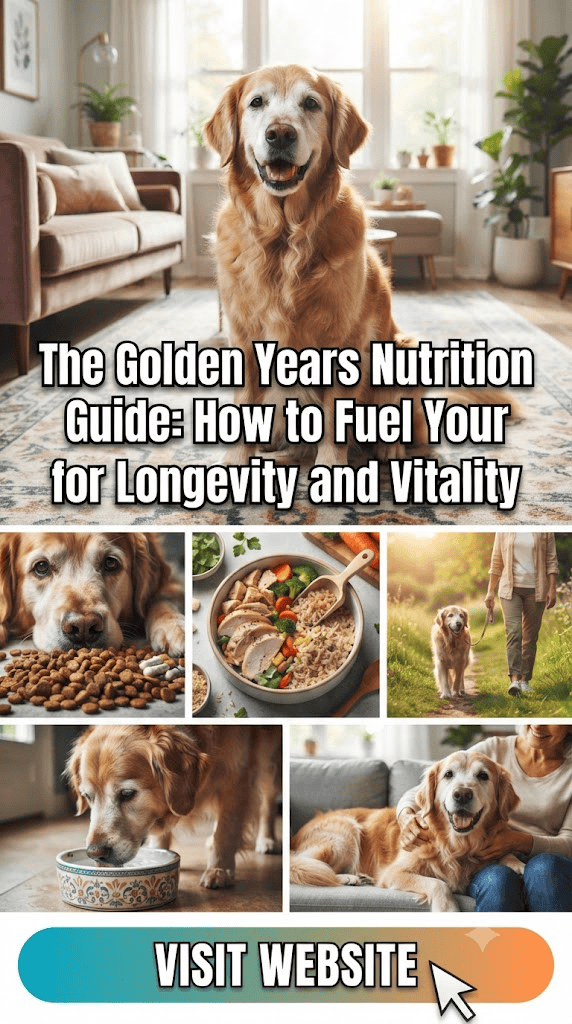
The Golden Years Nutrition Guide: How to Fuel Your Senior Dog for Longevity and Vitality
As our loyal companions age, their needs shift dramatically. The bouncy puppy who could digest anything and run for miles eventually becomes the dignified senior who prefers a soft sunspot and a slower pace. However, aging isn’t just about slowing down; it’s about a physiological transformation that happens deep within your dog’s cells.
Nutrition is the single most powerful tool you have to slow the aging process, manage chronic pain, and sharpen a fading mind. This is not just about changing a bag of kibble; it’s about a comprehensive strategy to extend your best friend’s “healthspan.”
When Does a Dog Actually Become a “Senior”?
Before diving into the bowl, we must define the timeline. Aging in dogs is not a “one size fits all” metric. The “seven human years to one dog year” rule is a myth. Aging is primarily dictated by breed size and genetics.
- Small Breeds (under 20 lbs): These dogs are the marathon runners of the canine world. They typically aren’t considered seniors until they reach 10 to 12 years old.
- Medium Breeds (21–50 lbs): This group usually enters the senior phase around 8 to 9 years old.
- Large Breeds (51–90 lbs): Large dogs age faster, entering their golden years at 7 years old.
- Giant Breeds (over 90 lbs): Breeds like Great Danes or Mastiffs may be considered seniors as early as 5 or 6 years old.
Recognizing these milestones allows you to adjust their diet before visible signs of decline appear.
The Biological Shift: What’s Happening Inside?
To understand the best diet, you must understand the four primary changes occurring in an aging dog:
1. Metabolic Slowdown
A senior dog’s resting energy expenditure decreases. They burn fewer calories simply by existing. If you continue feeding the same caloric density as you did in their prime, weight gain is inevitable. Obesity is the leading cause of shortened lifespans in senior dogs, as it exacerbates joint pain and heart disease.
2. Sarcopenia (Muscle Wasting)
While the metabolism slows down, the body’s ability to process protein often becomes less efficient. Many seniors begin to lose muscle mass, especially in their hindquarters. This loss of muscle (sarcopenia) leads to weakness and instability.
3. Digestive Inefficiency
The gastrointestinal tract becomes less “forgiving.” The gut microbiome shifts, and the body may produce fewer digestive enzymes. This can lead to gas, constipation, or a decreased ability to absorb vital nutrients.
4. Immune System Senescence
The immune system’s ability to fight off inflammation and oxidative stress weakens. This is why senior dogs are more prone to cancer, chronic inflammation, and cognitive decline.
The Great Protein Myth: Why Quality Trumps Quantity
For decades, the prevailing wisdom was that senior dogs should eat a low-protein diet to “protect their kidneys.” Modern veterinary science has largely debunked this for healthy seniors.
Unless your dog has been diagnosed with advanced Chronic Kidney Disease (CKD), reducing protein can actually be harmful. Because seniors are less efficient at processing protein, they actually need higher quality, highly digestible protein to maintain their muscle mass.
What to Look For:
- Whole Meats: Chicken, turkey, beef, lamb, or fish should be the first ingredient.
- Amino Acid Profile: Look for diets rich in leucine, which helps stimulate muscle protein synthesis.
- Avoid “Meat By-Products”: These are often less digestible and provide lower-quality amino acids for an aging body.
Essential Nutrients for the Aging Canine
A senior dog’s bowl should be a cocktail of preventative medicine. Here are the non-negotiables:
Omega-3 Fatty Acids (EPA and DHA)
Found primarily in fish oil and green-lipped mussels, Omega-3s are the gold standard for senior care. They act as natural anti-inflammatories, supporting joint health and reducing the “brain fog” associated with aging.
Glucosamine and Chondroitin
These are the building blocks of cartilage. While they won’t “cure” arthritis, they help maintain the structural integrity of the joints and keep the synovial fluid (the joint’s lubricant) healthy.
Antioxidants (Vitamin E, C, and Beta-Carotene)
Antioxidants fight free radicals—unstable molecules that damage cells and contribute to aging and cancer. Ingredients like blueberries, spinach, and cranberries are excellent natural sources.
Medium-Chain Triglycerides (MCTs)
MCTs, often derived from coconut oil, provide an alternative energy source for the brain. As dogs age, their brains become less efficient at using glucose. MCTs can help improve cognitive function and keep your dog “sharp.”
Probiotics and Soluble Fiber
To help a sluggish digestive system, look for foods containing Lactobacillus or Bifidobacterium. Fiber (from pumpkin or beet pulp) helps regulate bowel movements and prevents the constipation common in older, less active dogs.
Managing Common Senior Ailments Through Diet
Dietary intervention can often manage symptoms better than medication alone.
1. The Overweight Senior
If your dog is carrying extra weight, look for a “Senior Weight Management” formula. These are typically lower in fat and higher in fiber. The fiber helps the dog feel full despite a lower calorie count.
- Pro-Tip: Replace high-calorie treats with green beans or cucumber slices.
2. The Arthritic Senior
Inflammation is the enemy. A diet rich in Omega-3s and low in “pro-inflammatory” ingredients (like corn, soy, and excessive wheat) is essential. Some owners find success with a “Fresh” or “Raw” diet for arthritis, as it provides high moisture and natural enzymes.
3. Cognitive Dysfunction Syndrome (CDS)
Often called “Doggy Dementia,” CDS manifests as pacing, staring at walls, or forgetting house training. Diets specifically formulated for “Brain Health” (containing MCT oils, antioxidants, and DHA) have been clinically shown to improve memory and trainability in older dogs.
4. Kidney Health
If your vet has confirmed kidney issues, then you must look for a diet with controlled phosphorus levels and moderate, extremely high-quality protein. Phosphorus is difficult for failing kidneys to filter, so managing its intake is crucial.
Commercial Kibble vs. Fresh Food vs. Raw
Which format is best for a senior? Each has its merits depending on your dog’s specific needs.
High-Quality Senior Kibble
- Pros: Convenient, cost-effective, and formulated to be nutritionally complete. The crunch can help with dental health (though this is often overstated).
- Cons: Often contains more carbohydrates/fillers. Can be hard for dogs with missing teeth or dental pain.
Fresh-Frozen / Gently Cooked
- Pros: Extremely palatable for picky eaters. High moisture content (great for kidney/urinary health). No artificial preservatives.
- Cons: More expensive. Requires freezer space.
- Best For: Seniors with low appetites or those who struggle to digest processed kibble.
Raw Diets
- Pros: High protein, natural enzymes, and high bioavailability.
- Cons: Risk of bacterial contamination (which can be harder for a senior’s weaker immune system to handle). Requires strict balance of calcium/phosphorus.
- Best For: Active seniors with no underlying immune or kidney issues.
The “Picky Eater” Challenge: How to Entice an Old Dog
It is common for senior dogs to lose interest in food. This can be due to a declining sense of smell, dental pain, or nausea. If your dog is turning their nose up at dinner:
- Warm It Up: Heating food to body temperature (about 100°F) releases aromas that can jumpstart a fading sense of smell.
- Add a Topper: A spoonful of plain canned pumpkin, unsalted bone broth, or a bit of sardines in water can make a world of difference.
- Soften the Texture: If your dog has dental issues, add warm water to kibble and let it sit for 10 minutes to create a “mash.”
- Check for Dental Pain: If a dog drops food or eats on one side of their mouth, they may have a cracked tooth or infected gums.
Hydration: The Forgotten Nutrient
Dehydration is a significant risk for senior dogs. As they age, their “thirst drive” may diminish. Furthermore, many seniors are on medications (like diuretics for heart conditions) that increase water loss.
- Switch to Wet Food: Canned or fresh food is roughly 70-80% water, compared to kibble’s 10%.
- Multiple Water Bowls: Place bowls in every room the dog frequents so they don’t have to walk far to drink.
- Water Fountains: The sound of running water can encourage dogs to drink more.
Ingredients to Avoid in Senior Dog Food
When reading the label, keep an eye out for these “red flag” ingredients that can stress an aging body:
- Excessive Sodium: High salt can lead to increased blood pressure and strain on the heart and kidneys.
- Artificial Colors (Red 40, Yellow 5): These provide zero nutritional value and can trigger sensitivities in an aging immune system.
- BHA/BHT/Ethoxyquin: Chemical preservatives that have been linked to health issues in long-term studies. Opt for natural preservatives like Tocopherols (Vitamin E).
- High Glycemic Fillers: Excessive white flour or corn syrup can cause insulin spikes, contributing to weight gain and lethargy.
Transitioning to a New Diet
Never switch a senior dog’s food overnight. Their digestive systems are sensitive, and a sudden change can lead to severe gastrointestinal upset. Use the “7-Day Rule”:
- Days 1-2: 75% old food, 25% new food.
- Days 3-4: 50% old food, 50% new food.
- Days 5-6: 25% old food, 75% new food.
- Day 7: 100% new food.
Monitor their stool quality and energy levels throughout the week. If you notice diarrhea, slow the transition down.
Supplements: Are They Necessary?
If you are feeding a high-quality, scientifically formulated senior diet, many supplements are already included. However, some dogs require a “boost.”
- S-Adenosylmethionine (SAMe): Excellent for supporting liver function and cognitive health.
- Turmeric/Curcumin: A powerful natural anti-inflammatory for joint pain (must be formulated for dogs with black pepper for absorption).
- CBD Oil: Growing evidence suggests CBD can help with both chronic pain and anxiety in senior dogs. Always consult your vet for dosage.
- Bone Broth: Not just a topper, but a source of collagen and amino acids that are easy on the stomach.
The Verdict: What is the “Best” Diet?
There is no single “best” food for every senior dog, but the ideal diet generally follows these principles:
- High-Quality Protein: Above 28% on a dry matter basis (unless kidney issues exist).
- Moderate Fat: Low enough to prevent obesity, but high enough to provide healthy fatty acids.
- Low Glycemic Carbs: Whole grains like oats or barley, or grain-free options like sweet potatoes.
- Anti-Inflammatory Focus: Rich in Omega-3s and antioxidants.
- High Moisture: To support kidney function and hydration.
A Sample “Ideal” Meal for a Senior Dog:
- A base of gently cooked turkey or salmon.
- Pureed spinach and blueberries.
- A spoonful of canned pumpkin for fiber.
- A dash of fish oil.
- A sprinkle of probiotics.
Final Thoughts: The Vet is Your Partner
Every senior dog should have bloodwork done at least once a year (ideally every six months). This “Senior Wellness Panel” checks kidney enzymes, liver function, and thyroid levels. These results should dictate your dog’s specific nutritional path.
The golden years can be some of the most beautiful times you share with your dog. By tailoring their diet to meet the specific demands of an aging body, you aren’t just feeding them—you are giving them the vitality to enjoy every walk, every nap, and every tail wag for as long as possible. Your dog has spent a lifetime giving you their best; now is the time to give them the best in return.