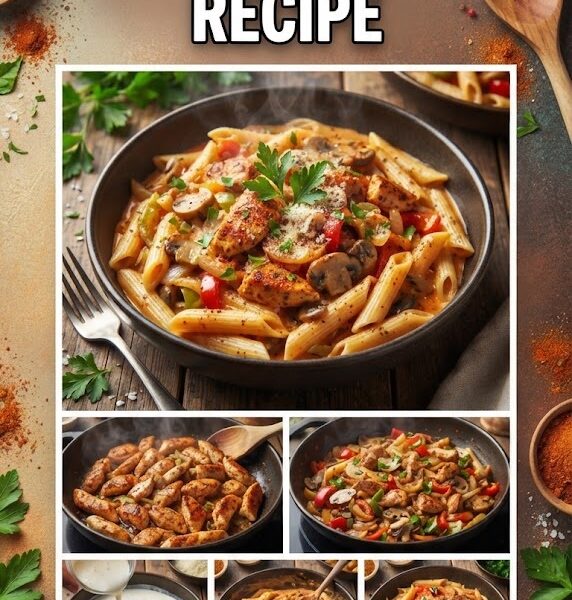
There is a specific kind of magic that happens when the rustic, fiery spirit of Louisiana meets the comforting, velvety embrace of Italian-inspired cream sauce. This isn’t just another weeknight dinner; the Creamy Cajun Chicken Pasta is a culinary powerhouse. It’s the dish you order at high-end bistros when you want something soul-warming yet sophisticated. It’s the meal that turns “I’m not that hungry” into a second helping before the plates even hit the table.
In this comprehensive guide, we are diving deep into the art of the perfect Cajun pasta. We will explore the nuances of spice blends, the chemistry of a stable cream sauce, the secret to succulent “blackened” chicken, and how to customize this recipe to fit every palate—from the heat-seekers to those who prefer a mild, savory glow.
The Heart of the Dish: Understanding the Cajun Flavor Profile
To master this recipe, one must first understand what makes “Cajun” food unique. Often confused with Creole cooking, Cajun cuisine is the “country cooking” of Louisiana, rooted in the traditions of Acadian immigrants. It is characterized by its use of local ingredients, one-pot preparations, and a robust spice palette.
While many associate Cajun food solely with “heat,” the true hallmark is depth. It’s about the layering of flavors: the earthiness of dried thyme and oregano, the pungent kick of garlic and onion, the smokiness of paprika, and the sharp, clean bite of white and black pepper. When these spices meet heavy cream and parmesan, they undergo a transformation. The fat in the dairy mellows the aggressive edges of the cayenne, turning a sharp sting into a lingering, complex warmth.
Ingredients: The Foundation of Excellence
A recipe is only as good as its components. For a world-class Creamy Cajun Chicken Pasta, do not settle for subpar ingredients.
1. The Protein: Chicken Breast vs. Thighs
While chicken breast is the traditional choice for its lean profile and clean flavor, chicken thighs offer a juicier, more forgiving texture. If using breasts, ensure they are pounded to an even thickness to prevent the outer edges from drying out before the center is cooked.
2. The Spice Blend: Homemade vs. Store-Bought
You can use a high-quality store-bought Cajun seasoning (like Slap Ya Mama or Tony Chachere’s), but making your own allows you to control the salt and heat levels.
- The Homemade Mix: Smoked paprika (for color and depth), garlic powder, onion powder, dried oregano, dried thyme, cayenne pepper, black pepper, and sea salt.
3. The Pasta: Choosing the Right Shape
The goal is to maximize “sauce-to-surface” ratio.
- Penne: The hollow center acts as a reservoir for the creamy sauce.
- Fettuccine: Provides a luxurious, silky mouthfeel.
- Farfalle (Bow Tie): Excellent for catching small bits of chicken and spice in its folds.
4. The Aromatics: The “Holy Trinity” Variation
Traditional Cajun cooking uses the “Holy Trinity”: bell peppers, onions, and celery. For this pasta, we focus on colorful bell peppers (red, yellow, or orange) and yellow onions. The peppers add a necessary sweetness that cuts through the richness of the cream.
5. The Dairy: Real Cream and Aged Cheese
Avoid “cooking creams” or low-fat milk. You need the high fat content of Heavy Whipping Cream to achieve that iconic, thick consistency that coats the back of a spoon. For the cheese, use freshly grated Parmesan-Reggiano. Pre-shredded cheeses are coated in potato starch to prevent clumping, which can result in a grainy sauce.
The Step-by-Step Culinary Blueprint
Step 1: Prepping and Seasoning the Chicken
Begin by slicing your chicken into bite-sized strips or cubes. Place them in a large bowl and toss with a generous amount of Cajun seasoning and a tablespoon of olive oil. Ensure every piece is thoroughly coated. Let the chicken marinate for at least 15 minutes at room temperature. This allows the salt to penetrate the fibers, ensuring the meat is seasoned all the way through, not just on the surface.
Step 2: The Perfect Pasta Boil
Bring a large pot of water to a rolling boil. Here is the golden rule: Salt the water like the sea. The pasta should have flavor before it ever meets the sauce. Cook the pasta until it is al dente—about 1-2 minutes less than the package instructions. It will finish cooking in the sauce later. Crucial Tip: Save a cup of the starchy pasta water before draining. This is “liquid gold” for adjusting your sauce consistency.
Step 3: Searing for Flavor (The Fond)
In a large skillet over medium-high heat, add a mix of butter and olive oil. Once shimmering, add the chicken in a single layer. Do not crowd the pan; work in batches if necessary. You want a dark, flavorful crust (blackening) to form. Once cooked through, remove the chicken and set it aside.
Look at the bottom of your pan. Those brown bits are called fond. They are concentrated flavor bombs. Do not wash the pan!
Step 4: Sautéing the Aromatics
In the same skillet, add your sliced onions and bell peppers. As the vegetables release their moisture, use a wooden spoon to scrape up the fond from the bottom of the pan. Sauté until the onions are translucent and the peppers have softened but still retain a slight “snap.” Add minced garlic in the final 60 seconds to prevent it from burning and becoming bitter.
Step 5: Building the Creamy Emulsion
Reduce the heat to medium. Pour in the heavy cream slowly, stirring constantly. Add another tablespoon of Cajun seasoning and a pinch of salt. Let the cream simmer gently (never a hard boil) for 3-5 minutes. It will begin to thicken as the water evaporates.
Step 6: The Finishing Touches
Whisk in the freshly grated Parmesan cheese. Once the cheese has melted into a smooth, velvety sauce, add the cooked chicken back into the skillet. Fold in your cooked pasta. If the sauce feels too thick, add your reserved pasta water a tablespoon at a time until it reaches your desired silkiness.
Garnish with fresh chopped parsley or green onions for a pop of color and a fresh, herbaceous finish.
Troubleshooting Common Pasta Pitfalls
Why is my sauce grainy?
Graininess usually happens for two reasons: using pre-shredded cheese or adding the cheese when the sauce is too hot. High heat can cause the proteins in the cheese to clump and the fats to separate. Always add cheese over low heat or after removing the pan from the burner.
Why is the chicken dry?
Chicken breast dries out quickly. If you find your chicken is consistently tough, try “velveting” it with a small amount of cornstarch before searing, or switch to boneless, skinless chicken thighs. Also, ensure you aren’t overcooking it during the initial sear; remember, it will sit in the hot sauce for a few minutes at the end.
The sauce is too thin!
Patience is key. Cream takes time to reduce. However, if you’re in a rush, a tiny bit of cream cheese whisked into the sauce can provide instant body and thickness without ruining the flavor profile.
Creative Variations to Elevate the Dish
1. The Seafood Extravaganza
Cajun cuisine is famous for its proximity to the Gulf of Mexico. Turn this into a “Cajun Mardi Gras Pasta” by adding jumbo shrimp and lump crab meat. Sear the shrimp quickly (about 2 minutes per side) along with the chicken.
2. The Andouille Kick
For an authentic Louisiana smoky depth, slice up some Andouille sausage. Sauté the sausage slices before the chicken to render out the spicy fat, then use that flavorful oil to cook the rest of the ingredients.
3. The Garden Fresh (Vegetarian) Version
Replace the chicken with sliced portobello mushrooms or “meaty” roasted cauliflower. The mushrooms provide an earthy umami that pairs beautifully with the spicy cream sauce. Use vegetable broth to deglaze the pan.
4. The Low-Carb Alternative
If you are watching your carb intake, swap the traditional pasta for zucchini noodles (zoodles) or spaghetti squash. Be careful not to overcook the zoodles; they only need about 60 seconds in the sauce to soften without becoming watery.
Pairing Suggestions: What to Serve with Cajun Pasta
Because this dish is incredibly rich and flavor-dense, you want side dishes that offer contrast—either through acidity or crunch.
- The Bread: A crusty French baguette or garlic knots are essential for mopping up every last drop of the creamy sauce.
- The Salad: A crisp Caesar salad with a lemon-heavy dressing or a simple garden salad with a vinaigrette provides a refreshing palate cleanser.
- The Wine: Look for an off-dry white wine like a Riesling or a Chenin Blanc. The slight sweetness of these wines balances the heat of the Cajun spices. If you prefer red, a chilled Beaujolais or a light Pinot Noir won’t compete with the creaminess.
The Nutritional Breakdown: Balancing the Indulgence
While Creamy Cajun Chicken Pasta is firmly in the “comfort food” category, there are ways to make it slightly lighter without sacrificing the soul of the dish.
- Half-and-Half: You can substitute half the heavy cream with half-and-half, though the sauce will be slightly thinner.
- Whole Wheat Pasta: Adds fiber and a nuttier flavor that stands up well to bold spices.
- Extra Veggies: Double the amount of bell peppers and add spinach or kale at the end for a massive nutrient boost.
Cultural Context: Why This Recipe Dominates the American Palate
The popularity of Cajun Chicken Pasta in the United States can be traced back to the “Blackening” craze of the 1980s, popularized by legendary chef Paul Prudhomme. He took traditional Acadian techniques and brought them into the modern restaurant spotlight.
Americans fell in love with the combination of “blackened” meats and creamy sauces because it hits every major taste receptor: salty, sweet (from the peppers), sour (from the Parmesan), bitter (from the charred spices), and umami (from the chicken and cheese). It is a perfectly balanced flavor profile that feels both exotic and familiar.
Storage and Reheating: Meal Prep Secrets
This pasta makes for incredible leftovers, as the spices have more time to meld. However, cream-based sauces can be tricky to reheat.
- Storage: Keep in an airtight container in the refrigerator for up to 3 days.
- Reheating on the Stovetop: This is the preferred method. Add a splash of milk or water to the pan to loosen the sauce. Heat over low-medium, stirring gently until the sauce becomes creamy again.
- Microwaving: If you must use a microwave, use 50% power in 45-second intervals, stirring in between to prevent the sauce from breaking (oiling out).
Frequently Asked Questions (FAQs)
Can I make this recipe dairy-free? Yes! Use full-fat canned coconut milk instead of heavy cream and a high-quality vegan parmesan or nutritional yeast. The flavor will be slightly different, but the Cajun spices work surprisingly well with the sweetness of coconut.
Is Cajun seasoning very spicy? It depends on the brand. If you are sensitive to heat, look for “No Salt” or “Mild” versions, or make your own and omit the cayenne pepper. The paprika and herbs will still provide plenty of flavor.
Can I use frozen chicken? You can, but ensure it is completely thawed and patted dry with paper towels before seasoning. Excess moisture will prevent the chicken from getting that beautiful sear and will result in “steamed” meat instead of “blackened” meat.
What is the best way to cut the bell peppers? For an elegant presentation, julienne the peppers (cut them into long, thin strips). This allows them to tangle with the pasta strands (like fettuccine) for a consistent bite.
Conclusion: Bringing the Bayou to Your Kitchen
Mastering the Creamy Cajun Chicken Pasta is a rite of passage for any home cook looking to expand their repertoire. It is a dish that teaches the importance of temperature control, the balance of seasoning, and the joy of creating something decadent from scratch.
Whether you’re cooking for a special date night, a family gathering, or simply treating yourself after a long week, this recipe delivers a restaurant-quality experience that is impossible to forget. Put on some New Orleans jazz, pour yourself a drink, and get ready to enjoy the bold, beautiful flavors of the South.
Summary Table of Preparation
| Component | Key Action | Why It Matters |
|---|---|---|
| Chicken | Heavily season and sear | Creates “fond” and ensures flavor depth |
| Pasta | Cook al dente | Prevents mushy pasta when combined with sauce |
| Veggies | Sauté until softened | Adds natural sweetness and texture contrast |
| Cream | Reduce slowly | Creates a thick, velvety coating |
| Cheese | Grate your own | Ensures a smooth, non-grainy emulsion |
Perfect Homemade Cajun Spice Mix Recipe (Yields approx. 1/2 cup)
- 3 tbsp Smoked Paprika
- 2 tbsp Garlic Powder
- 2 tbsp Sea Salt
- 1 tbsp Onion Powder
- 1 tbsp Dried Oregano
- 1 tbsp Dried Thyme
- 1 tsp Cayenne Pepper (adjust for heat)
- 1 tsp Ground Black Pepper
- 1 tsp Ground White Pepper
Mix all ingredients in a small jar and shake well. Store in a cool, dark place for up to 6 months. Use this not just for pasta, but for grilled fish, roasted potatoes, or even sprinkled over popcorn for a spicy kick!
SEO Optimized Content Structure Data:
- Primary Keyword: Creamy Cajun Chicken Pasta Recipe
- Secondary Keywords: Homemade Cajun seasoning, blackened chicken pasta, spicy cream sauce, easy dinner recipes, Louisiana style pasta, how to make Cajun sauce.
- Target Audience: Home cooks, families, spicy food enthusiasts, meal preppers.
- Tone: Instructional, enthusiastic, expert-level.
- Meta Description: Discover the ultimate Creamy Cajun Chicken Pasta recipe. Learn the secrets to a velvety sauce, perfectly seasoned chicken, and the best Cajun spice blend for a restaurant-quality meal at home.