
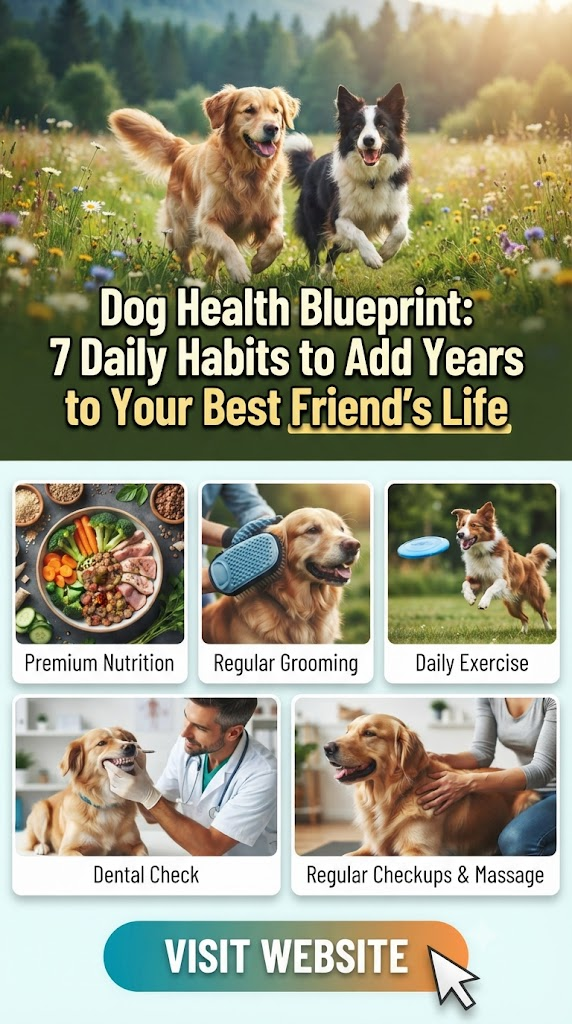
Dog Health Blueprint: 7 Daily Habits to Add Years to Your Best Friend’s Life
In the world of modern pet parenting, we are no longer just “dog owners.” We are guardians, health coaches, and advocates for creatures that cannot speak for themselves. We want our dogs to live forever, and while science hasn’t cracked the code on canine immortality yet, we have discovered something nearly as powerful: the compounding effect of a daily health routine.
Just as a professional athlete follows a strict regimen to perform at their peak, or a biohacker optimizes their morning for longevity, your dog requires a structured, science-backed daily routine to thrive. A dog’s health isn’t just about the occasional vet visit or a high-quality bag of kibble; it is the sum of small, intentional actions taken every single day.
This comprehensive guide breaks down the ultimate daily dog health routine, covering everything from nutritional biohacking to cognitive enrichment and physical maintenance. If you want to maximize your dog’s “healthspan”—the period of life spent in good health—this is your roadmap.
1. The Morning Momentum: Hydration, Elimination, and Early Light
The first hour of your dog’s day sets the physiological tone for the next 24 hours. Just like humans, dogs wake up slightly dehydrated and with a buildup of metabolic waste.
The Power of Fresh Water
The very first thing your dog should do is hydrate. Overnight, their kidneys have been filtering toxins. Always ensure the water bowl is scrubbed clean (to prevent biofilm and bacteria buildup) and filled with filtered water. Many municipal water sources contain chlorine and fluoride, which can be taxing on a dog’s smaller organs over time.
The “Sniffari” Morning Walk
Don’t just rush your dog to the grass and back. The morning walk serves two critical purposes:
- Lymphatic Drainage: Movement helps the lymphatic system circulate, which is vital for immune function.
- Circadian Rhythm Alignment: Exposure to natural morning sunlight helps regulate your dog’s internal clock, improving sleep quality and hormonal balance.
- Mental Stimulation: Allow your dog to sniff. A “sniffari” engages the olfactory bulb, which is linked to the emotional processing parts of the brain. Five minutes of intense sniffing is often more exhausting—and rewarding—than a twenty-minute brisk walk.
2. Bio-Appropriate Nutrition: More Than Just a Bowl of Kibble
Nutrition is the most significant lever you can pull to influence your dog’s health. The “set it and forget it” mentality of pouring dry pellets into a bowl is becoming a thing of the past.
The Golden Rule: Fresh Food Integration
Even if you feed high-quality kibble, adding fresh, whole foods can drastically reduce inflammation. Research from Purdue University showed that adding leafy green vegetables to a dog’s diet three times a week could reduce the risk of bladder cancer by up to 90%.
- Try adding: Steamed broccoli, blueberries, shredded carrots, or a raw egg.
- Hydrate the crunch: Dry kibble has a moisture content of about 10%. Dogs are designed to eat prey that is roughly 70% water. Always add a splash of bone broth (onion/garlic-free), goat’s milk, or plain water to their meal to aid digestion and kidney health.
Timing and Digestion
Avoid vigorous exercise for at least 30 to 60 minutes before and after eating, especially for deep-chested breeds prone to Gastric Dilatation-Volvulus (GDV or “bloat”). A calm digestive state allows the body to focus energy on nutrient absorption rather than physical exertion.
3. The 5-Minute “Daily Scan”: Preventative Maintenance
In the wild, dogs are masters at hiding pain. It is an evolutionary survival mechanism. As a result, many owners don’t realize their dog is sick until a condition is advanced. The “Daily Scan” is your secret weapon for early detection.
How to Perform the Scan:
- The Coat and Skin: Run your hands over their entire body. Are there new lumps or bumps? Is the skin hot to the touch in certain areas? Check for “hot spots” or flea dirt.
- The Eyes and Ears: Eyes should be clear and bright, not cloudy or discharge-heavy. Ears should smell neutral. A yeasty or “corn chip” smell usually indicates an underlying fungal infection or allergy.
- The Paws: Check between the toes for burrs, cuts, or redness. Modern pavements can be harsh; if you notice dryness, apply a dog-safe paw balm.
- The Gums: Lift the lip. Gums should be a healthy bubblegum pink. If they are pale, bright red, or muddy, it’s time for a vet visit.
4. Dental Hygiene: The Silent Lifespan Extender
If you do only one thing from this list, let it be this. Periodontal disease is the most common clinical condition in adult dogs. It isn’t just about bad breath; oral bacteria can enter the bloodstream and cause permanent damage to the heart, liver, and kidneys.
The Daily Brush
Brushing your dog’s teeth daily is the gold standard. Use a canine-specific enzymatic toothpaste (never human toothpaste, as Xylitol is toxic). The enzymes do most of the work, so even a quick swipe across the gum line is better than nothing.
Functional Chews
If brushing is a struggle, utilize mechanical cleaners. Raw meaty bones (under supervision) or high-quality dental chews can help scrape away plaque. However, these should supplement, not replace, manual cleaning.
5. Physical Conditioning: Beyond the Backyard
A dog left in a backyard is not “exercising”; they are usually just waiting for you to come back. True physical health requires varied movement that builds muscle mass and maintains joint flexibility.
The Importance of Lean Body Mass
Obesity is the leading cause of shortened lifespans in dogs. A lean dog lives, on average, 1.8 to 2 years longer than an overweight dog. You should be able to feel your dog’s ribs easily and see a visible waistline from above.
High-Intensity vs. Low-Impact
- Aerobic: Fetch, running, or swimming (the ultimate low-impact exercise).
- Proprioception: Walking over uneven terrain, like hiking trails or sand, engages small stabilizer muscles that help prevent ACL (CCL) tears later in life.
- Stretching: As dogs age, they lose flexibility. Gentle leg stretches (if they are comfortable with it) can keep joints lubricated.
6. Cognitive Enrichment: Training as Therapy
A bored dog is a stressed dog. Stress increases cortisol, and chronic cortisol elevation suppresses the immune system. Mental exercise is just as vital as physical exercise.
The “Work for Food” Concept
Ditch the traditional bowl and use food puzzles or “snuffle mats.” This taps into a dog’s natural foraging instincts. Making them solve a puzzle to get their dinner engages their brain and provides a sense of accomplishment.
Daily Training Sessions
Spend 10 minutes a day teaching a new trick or reinforcing old ones. This isn’t just about obedience; it’s about the bond. The dopamine release your dog gets from successfully completing a task and receiving a reward is a powerful “feel-good” hormone that supports overall wellness.
7. The Evening Wind-Down: Nervous System Regulation
Dogs are incredibly sensitive to the energy of their environment. If your home is chaotic right up until bedtime, your dog’s nervous system remains in a “high alert” state.
Calming Rituals
As the sun goes down, dim the lights. This helps your dog’s brain produce melatonin. Consider playing “Pet Calming Music” (usually low-frequency classical or reggae) which has been scientifically shown to reduce heart rates in kenneled dogs.
Therapeutic Touch
Ending the day with a gentle massage isn’t just pampering; it’s health care. Use long, slow strokes from the head to the tail. This lowers blood pressure and allows you to check for any new tension in their muscles. It also reinforces your role as the “safe space,” reducing separation anxiety and general nervousness.
Quality Sleep Environment
Ensure your dog has a supportive bed, especially if they are a large breed or a senior. Orthopedic foam can prevent pressure sores and joint pain. Make sure their sleeping area is away from drafts and in a dark, quiet spot.
8. Seasonal and Life-Stage Adjustments
A daily routine shouldn’t be static. It must evolve as your dog ages and as the seasons change.
Puppyhood (The Foundation)
Focus on socialization and short bursts of activity. A puppy’s growth plates are fragile, so avoid high-impact jumping or long runs on hard surfaces until they are fully grown.
The Senior Years (The Golden Era)
As dogs age, they need more frequent but shorter walks. Supplementation becomes crucial here—Omega-3 fatty acids for brain health, and Glucosamine/Chondroitin for joint support. Be more vigilant with the “Daily Scan,” as seniors are more prone to developing metabolic issues.
Summer vs. Winter
- Summer: Shift exercise to the early morning or late evening to avoid heatstroke. Always test the pavement with your hand; if it’s too hot for you, it’s too hot for their paws.
- Winter: Short-haired breeds may need coats. Be wary of sidewalk salt, which can burn paw pads; always wash their feet after a winter walk.
9. Supplements: The Extra 5%
While a balanced diet is the foundation, certain supplements can fill the gaps left by modern commercial processing.
- Probiotics: 70-80% of the immune system resides in the gut. A daily probiotic can help manage allergies and prevent digestive upset.
- Omega-3 (Fish Oil): This is the ultimate anti-inflammatory. It supports skin, coat, heart, and joint health. Ensure the oil is sourced from small fish (like sardines or anchovies) to minimize heavy metal exposure.
- Anti-Oxidants: Ingredients like turmeric (curcumin) or milk thistle can support liver function and fight oxidative stress caused by environmental pollutants.
10. The Psychological Bond: The “Why” Behind the Routine
At the end of the day, the most significant contributor to a dog’s health is the quality of their relationship with you. Dogs are social pack animals. Their sense of security and happiness is directly tied to their connection with their human.
A routine provides a dog with predictability. In a world they don’t fully understand, knowing when they will eat, walk, and sleep reduces anxiety significantly. A low-stress dog is a healthy dog.
Why Consistency Wins
Consistency is more important than intensity. You don’t need to spend four hours a day on “dog stuff.” What you need is 30 to 60 minutes of focused, intentional care. That 10-minute brush, the 15-minute sniffari, the 5-minute training session—these are the “deposits” you make into your dog’s health bank account.
Summary Checklist for a 5-Star Dog Day
To make this actionable, here is your daily “Cheat Sheet” for canine excellence:
- Morning: Fresh filtered water + 15-minute “Sniffari” walk.
- Breakfast: High-protein meal + fresh food topper + hydration (broth/water).
- Mid-Morning: 5-minute “Daily Scan” (Skin, Eyes, Ears, Paws).
- Lunch/Midday: Mental enrichment (Puzzle toy or frozen Lickmat).
- Afternoon: Physical play or brisk walk (Tailored to breed/age).
- Evening Meal: Same as breakfast + Dental hygiene (Brushing or chew).
- Nighttime: 5-minute training or “trick” time.
- Before Bed: Calm massage + supportive sleeping area.
Conclusion: The Gift of Time
We often say that dogs are “only here for a part of our lives, but for them, we are their whole life.” By implementing a rigorous, loving daily health routine, you aren’t just checking boxes; you are actively extending the time you get to spend with your soulmate in fur.
Start small. Pick two habits from this list and master them this week. Next week, add one more. Before you know it, you’ll have built a foundation of wellness that will keep your dog’s tail wagging, their eyes bright, and their heart strong for as many years as possible.
The best medicine isn’t a pill—it’s the daily choices we make for the ones we love.