
Vet Visits: Why Your Dog’s Health Calendar is the Secret to Longevity
As a dog owner, you are the guardian of a creature that speaks a different language. Your dog can’t tell you when they have a dull ache in their molar, a slight stiffening in their hips, or a strange fluttering in their chest. They communicate through tail wags, leans, and occasionally, a stoic silence that masks discomfort. This silence is exactly why the question “How often should dogs visit the vet?” is one of the most critical questions a pet parent can ask.
For many, the vet is a place of anxiety—both for the dog and the wallet. However, shifting your perspective from “crisis management” to “preventative maintenance” is the single most effective way to ensure your canine companion lives a long, vibrant life. In this comprehensive guide, we will break down the ideal veterinary schedule for every stage of a dog’s life, explore the “hidden” signs that a visit is overdue, and explain why those routine checkups are worth every penny.
1. The Puppy Phase: The Foundation of a Lifetime (Birth to 1 Year)
The first year of a dog’s life is a whirlwind of growth, hormonal changes, and immune system development. During this stage, vet visits are frequent, and for good reason. You aren’t just getting shots; you are building the biological fortress that will protect your dog for the next decade or more.
The Initial Consultation (6 to 8 Weeks)
Your puppy’s first visit usually happens shortly after they leave their mother. This visit is arguably the most important. The veterinarian will perform a “nose-to-tail” exam, checking for:
- Congenital Issues: Heart murmurs, hernias, or cleft palates.
- Parasites: Most puppies are born with or contract intestinal worms (like roundworms or hookworms) from their mother’s milk. A fecal exam is mandatory here.
- Early Nutrition: Establishing the right caloric intake for their specific breed size.
The Vaccination Series (Every 3–4 Weeks)
Puppies carry maternal antibodies that eventually fade. As these antibodies drop, the puppy becomes vulnerable. To bridge this gap, vets administer a series of vaccines usually at 8, 12, and 16 weeks of age.
- Core Vaccines: DHPP (Distemper, Hepatitis, Parainfluenza, and Parvovirus) and Rabies (required by law).
- Non-Core (Lifestyle) Vaccines: Depending on where you live, your vet may recommend Bordetella (kennel cough), Leptospirosis, Lyme disease, or Canine Influenza.
The Spay/Neuter Conversation (6 months to 1 year)
Traditionally, 6 months was the standard. However, modern veterinary medicine now tailors this based on breed. Large breeds, like Golden Retrievers or Great Danes, may benefit from waiting until their growth plates have fused to prevent future joint issues. Your vet visits during this first year are the time to map out this surgery.
2. The Adult Years: The “Once a Year” Golden Rule (1 to 7 Years)
Once your dog reaches adulthood, many owners fall into the trap of thinking, “He looks fine, why go to the vet?” This is a dangerous misconception. Dogs are evolutionarily programmed to hide pain. In the wild, showing weakness makes you a target. By the time a dog shows you they are sick, the condition is often advanced.
The Annual Wellness Exam
For an adult dog, a yearly visit is the standard. Think of this as a 10,000-mile service for a high-performance vehicle. The vet will focus on:
The Physical Exam
The vet will palpate the abdomen to feel for enlarged organs or unusual masses. They will check the lymph nodes, listen to the heart for new murmurs or arrhythmias, and check the lungs for any signs of congestion.
Dental Health: The Silent Killer
Periodontal disease is the most common ailment in adult dogs. Bacteria from infected gums can enter the bloodstream and cause permanent damage to the heart, liver, and kidneys. An annual check allows the vet to determine if a professional cleaning is needed before extractions become necessary.
The “Big Three” Lab Tests
Even if your dog looks healthy, an annual blood panel is vital. It creates a “baseline.” If your dog’s kidney enzymes are slightly elevated this year compared to last, your vet can catch kidney disease in Stage 1 rather than Stage 4.
- Heartworm Test: A simple blood draw to ensure your preventative is working.
- Fecal Exam: To check for microscopic parasites.
- Complete Blood Count (CBC) and Chemistry Panel: To monitor organ function and blood sugar.
3. The Senior Years: Navigating the Golden Era (7+ Years)
As a general rule, one human year equals roughly seven dog years. This means that if you wait a year between vet visits for a senior dog, it’s like a 70-year-old human skipping the doctor for seven years.
The Semi-Annual Schedule (Every 6 Months)
Once your dog hits the “senior” category—which varies by breed (Great Danes at age 5, Chihuahuas at age 9)—vets recommend visits every six months.
Detecting Age-Related Decline
- Arthritis and Mobility: Vets can identify early signs of osteoarthritis that owners might mistake for “just slowing down.” Early intervention with supplements or cold laser therapy can significantly improve quality of life.
- Cognitive Dysfunction Syndrome (CDS): Similar to Alzheimer’s in humans, dogs can experience confusion and anxiety. Early diagnosis allows for dietary changes and medications that can clear the “brain fog.”
- Vision and Hearing: Checking for cataracts or glaucoma before they cause total blindness or pain.
Advanced Screening
Senior visits often involve more intensive blood work (including thyroid testing) and potentially a urinalysis to check for early signs of diabetes or urinary tract infections, which are common in older dogs.
4. Breed-Specific Requirements: One Size Does Not Fit All
A Pug’s veterinary needs are vastly different from those of a Border Collie. Some breeds require more frequent monitoring due to genetic predispositions.
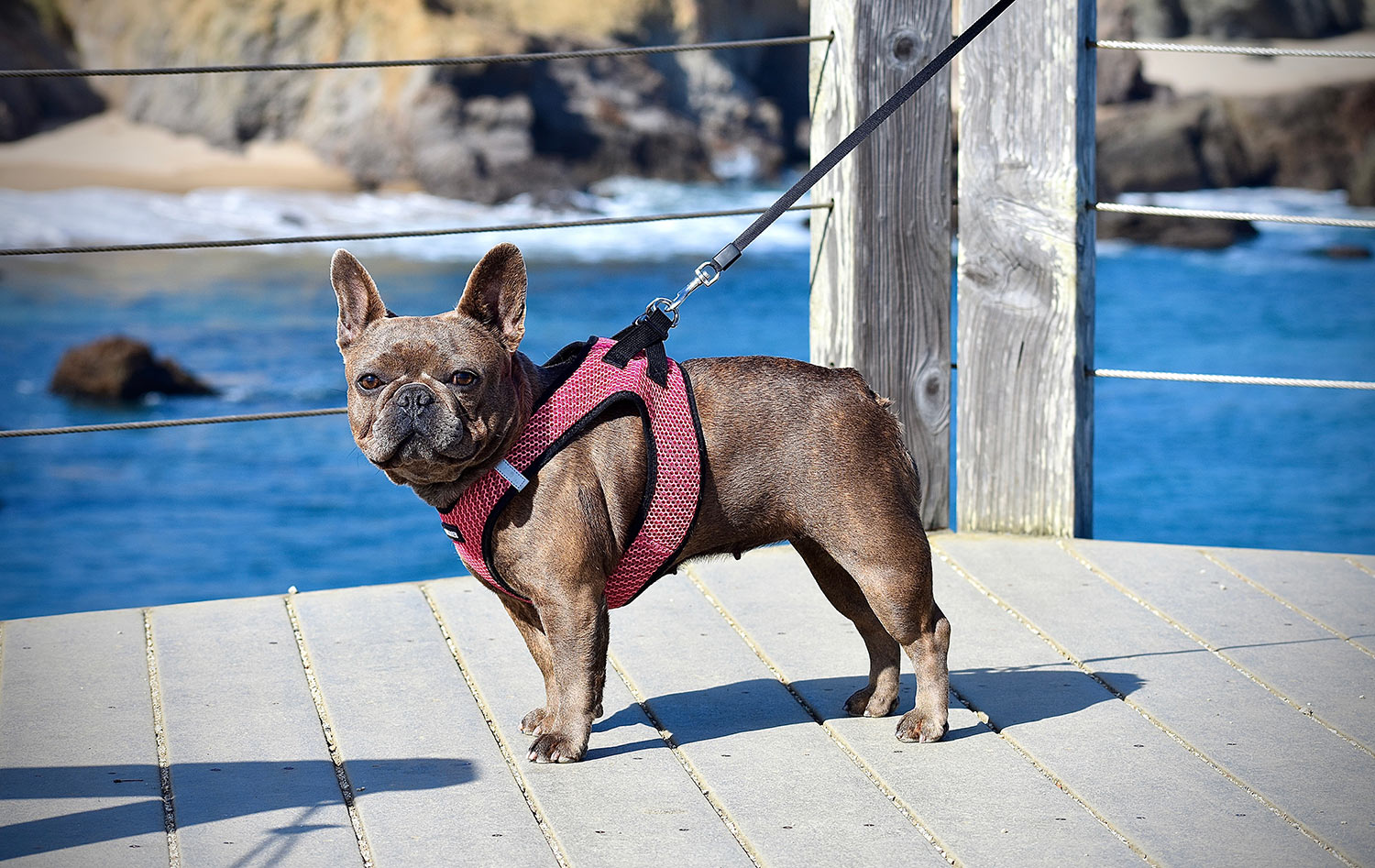
- Brachycephalic Breeds (Pugs, Bulldogs, Frenchies): These dogs need frequent respiratory and eye checks. Their “squished” faces make them prone to heatstroke and breathing obstructions that may require surgical intervention.
- Large and Giant Breeds (Great Danes, Mastiffs, Shepherds): Because they age faster and are prone to hip dysplasia and “Bloat” (GDV), more frequent orthopedic exams are recommended starting as early as age 4 or 5.
- Deep-Chested Breeds: Owners should discuss the signs of Bloat with their vet at every visit, as this is a life-threatening emergency that happens in minutes.
- Dachshunds and Corgis: Due to their long spines, frequent neurological exams are vital to catch Intervertebral Disc Disease (IVDD) before it leads to paralysis.
5. The “Red Flags”: When to Ignore the Schedule and Go NOW
Routine visits are for when things are going well. However, you must be prepared to break the schedule if you notice “Red Flags.” These are signs that your dog’s body is struggling to compensate.
1. Changes in Thirst or Urination
If your dog is suddenly drinking the water bowl dry or asking to go out in the middle of the night, this isn’t “just a phase.” It is a classic sign of diabetes, kidney failure, or Cushing’s disease.
2. Unexplained Weight Loss or Gain
Losing weight despite eating normally is a major red flag for cancer or metabolic issues. Conversely, sudden weight gain (especially in the abdomen) could indicate heart disease or a ruptured tumor causing internal bleeding.
3. Lethargy and Behavior Shifts
A normally “velcro” dog who suddenly hides in a closet, or a sweet dog who snaps when touched, is likely in pain. Changes in behavior are often the first outward sign of an internal medical issue.
4. Lumps and Bumps
Not every lump is cancer, but every lump needs a diagnosis. A “Fine Needle Aspirate” (FNA) is a quick, inexpensive test where the vet takes a few cells from the lump to see if it’s a harmless fatty tumor (lipoma) or something more sinister.
6. Preventative Care: The Financial Argument for Regular Visits
The number one reason people skip the vet is cost. However, veterinary medicine is a classic example of “pay now or pay much more later.”
- Heartworm Prevention vs. Treatment: A year of heartworm preventative costs roughly $100–$200. Treating a dog for an active heartworm infection is an agonizing, multi-month process involving arsenic-based injections that can cost $1,500–$3,000.
- Dental Cleanings vs. Oral Surgery: A routine cleaning might cost $400. If you wait until the teeth are rotting, you face anesthesia for hours, multiple extractions, and antibiotics, easily ballooning to $1,500.
- Catching Early Kidney Disease: If caught early through routine blood work, kidney disease can often be managed with a simple change in diet. If caught when the dog is already vomiting and lethargic, it requires hospitalization, IV fluids, and intensive care.
7. Making the Vet Visit “Fear-Free”
Many dogs hate the vet. The slippery scales, the smell of antiseptic, and the “thermometer in the tail” can create a traumatic experience. If your dog is terrified, you are less likely to take them. Here is how to fix that:
- Happy Visits: Ask your vet if you can bring your dog in just to stand on the scale and get a treat from the receptionist. No needles, no exams. Just a positive association.
- The Power of High-Value Treats: Bring boiled chicken, string cheese, or peanut butter. Reserve these “jackpot” treats only for the vet’s office.
- Pre-Visit Pharmaceuticals: If your dog has severe anxiety, talk to your vet about “situational” medications like Trazodone or Gabapentin. Giving these a few hours before the appointment can make the experience calm and productive rather than a wrestling match.
- Feliway/Adaptil: Use pheromone sprays on your dog’s bandana or in the car to help lower their cortisol levels.
8. Essential Questions to Ask Your Vet at Every Visit
Don’t just let the vet examine your dog and leave. Be an active participant. Bring a notebook and ask these five questions:
- “What is my dog’s Body Condition Score (BCS)?” Don’t just look at weight; look at the score from 1 to 9. Obesity is the leading cause of shortened lifespans in dogs.
- “Are there any new vaccines or preventatives based on local outbreaks?” (e.g., Is there a surge in Canine Influenza in our city?)
- “Do you notice any changes in their gait or joint fluidity?”
- “Is my dog’s current diet still appropriate for their age and activity level?”
- “Are these lumps new, or have they changed since our last visit?” (Keep a “body map” of your dog to track growths).
9. The Role of Pet Insurance and Wellness Plans
To make regular vet visits a stress-free part of your life, consider the financial structure of pet care.
- Pet Insurance: This is primarily for “catastrophic” events (accidents, cancer, surgeries). It usually doesn’t cover routine visits, but it gives you the peace of mind to say “yes” to the best care if something goes wrong.
- Wellness Plans: Many clinics now offer monthly subscription-based wellness plans. These cover the cost of the annual exam, vaccines, and routine blood work, spreading the cost over 12 months. This is an excellent tool for budget-conscious owners.
10. Conclusion: A Small Investment for a Massive Return
So, how often should your dog visit the vet?
- Puppies: Every 3–4 weeks until 16 weeks old.
- Adults (1-7 years): Once a year.
- Seniors (7+ years): Every 6 months.
When we bring a dog into our lives, we make a silent promise to protect them. Because they cannot tell us when their heart is weary or their joints are aching, we must be their advocates. Regular veterinary visits are not an inconvenience or a luxury; they are the physical manifestation of your love and commitment.
By sticking to a rigorous wellness schedule, you aren’t just checking boxes. You are buying more afternoon walks, more morning snuggles, and more years of that wagging tail greeting you at the door. Your vet is your partner in this journey—make sure you’re meeting with them often enough to let them do their job. After all, your dog’s life depends on it.