The Silent Threat: The Ultimate Comprehensive Guide to Kidney Disease in Dogs
The bond between a human and a dog is one of the most profound connections in the natural world. Our dogs are not just pets; they are family members, confidants, and sources of unconditional love. However, there is a silent predator that often lurks in the shadows of a dog’s senior years—and sometimes even in their youth. That predator is kidney disease.
Often referred to as the “silent killer,” canine kidney disease (renal failure) is a complex and often misunderstood condition. By the time many owners notice the first physical symptoms, up to 75% of kidney function may already be lost. But there is hope. With early detection, modern veterinary medicine, and proactive lifestyle changes, many dogs with kidney disease go on to live long, happy, and high-quality lives.
1. Understanding the Role of the Kidneys: More Than Just Filtration
To understand kidney disease, we must first understand what these two bean-shaped organs actually do. While we often think of them simply as “urine makers,” their role in the body is incredibly sophisticated.
The Biological Powerhouse
The kidneys perform several life-sustaining functions every second of the day:
- Waste Filtration: They filter metabolic waste products (like urea and creatinine) out of the blood and into the urine.
- Fluid Balance: They regulate the amount of water in the body, ensuring your dog doesn’t become dehydrated or overhydrated.
- Electrolyte Regulation: They maintain the delicate balance of sodium, potassium, calcium, and phosphorus.
- Blood Pressure Control: Through the production of the enzyme renin, the kidneys help manage systemic blood pressure.
- Red Blood Cell Production: The kidneys produce erythropoietin, a hormone that tells the bone marrow to create new red blood cells.
- Acid-Base Balance: They keep the blood pH within a very narrow, healthy range.
When the kidneys begin to fail, this entire system collapses, leading to a cascade of health issues across every organ system in the dog’s body.
2. Acute vs. Chronic Kidney Disease: What’s the Difference?
Kidney disease in dogs is categorized into two primary forms. Understanding which one your dog is facing is critical because the prognosis and treatment strategies differ wildly.
Acute Kidney Injury (AKI)
Acute kidney injury is a sudden, often traumatic loss of kidney function. It happens over hours or days.
- Causes: Ingestion of toxins (antifreeze, grapes, raisins, ibuprofen), severe bacterial infections (Leptospirosis), or sudden dehydration/heatstroke.
- Prognosis: If caught immediately and treated aggressively, AKI can sometimes be reversed. However, it is a life-threatening emergency.
Chronic Kidney Disease (CKD)
Chronic kidney disease is the slow, progressive decline of kidney function over months or years. It is most common in senior dogs and is currently considered irreversible.
- Causes: Long-term wear and tear, genetics, dental disease (bacteria from the mouth entering the bloodstream), or unresolved acute injuries.
- Prognosis: While it cannot be “cured,” it can be managed. The goal is to slow the progression and maintain a high quality of life.
3. The Warning Signs: Catching the “Silent” Symptoms
The kidneys are incredibly resilient. They have a massive “reserve capacity,” meaning a dog can function normally with only one-third of their kidney tissue working. The danger is that symptoms usually don’t appear until the damage is extensive.
Early Warning Signs
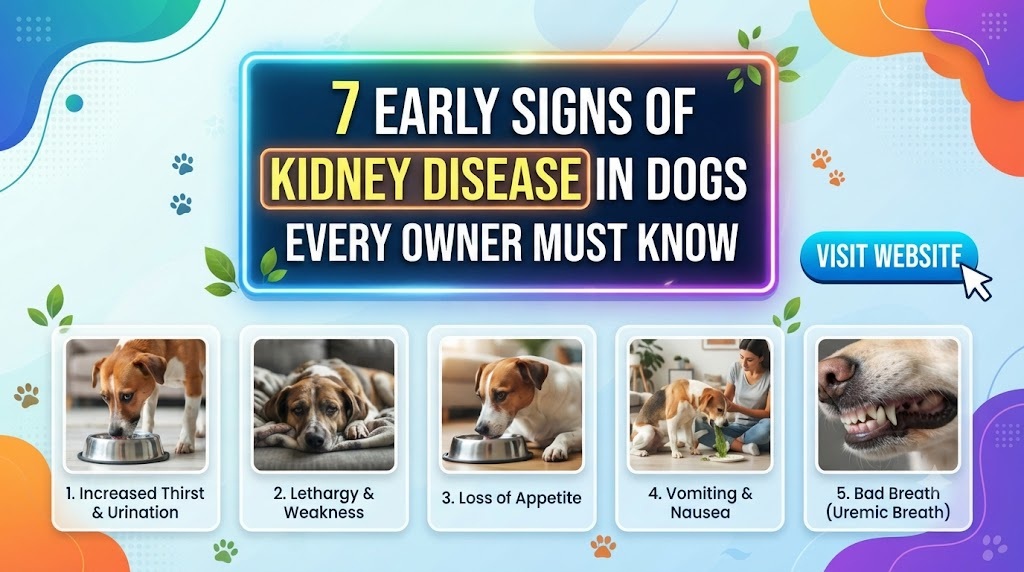
- Increased Thirst (Polydipsia): Your dog is suddenly emptying the water bowl more often.
- Increased Urination (Polyuria): More frequent trips outside or accidents in the house. This happens because the kidneys can no longer concentrate urine, so the dog must pee more to get rid of the same amount of waste.
- Subtle Weight Loss: You might notice their spine or ribs becoming more prominent.
Advanced Symptoms (Uremia)
As the disease progresses, toxins build up in the blood (a state called uremia), leading to:
- Loss of Appetite: Your dog may become “picky” or refuse food entirely.
- Vomiting and Diarrhea: Toxin buildup irritates the lining of the stomach and intestines.
- Uremic Breath: A distinct, unpleasant smell from the mouth that can smell like ammonia or urine.
- Lethargy: Significant drops in energy levels.
- Mouth Ulcers: Pale gums or sores on the tongue and cheeks.
- Poor Coat Condition: The fur may become dull, dry, or brittle.
4. The Hidden Culprits: What Causes Kidney Failure?
Why do some dogs live to be 20 with perfect kidneys, while others struggle at age 7? The causes are often a mix of lifestyle, environment, and genetics.
Toxins: The Immediate Threat
- Antifreeze (Ethylene Glycol): Even a tiny lick from a driveway can be fatal within 24 hours.
- Grapes and Raisins: The exact mechanism is unknown, but they cause rapid kidney failure in many dogs.
- Human Medications: Ibuprofen (Advil), Naproxen (Aleve), and Acetaminophen (Tylenol) are highly toxic to canine kidneys.
Infectious Diseases
- Leptospirosis: A bacteria found in the urine of wildlife (rats, deer, raccoons) that thrives in standing water. It directly attacks the kidneys and can be passed to humans.
- Lyme Disease: In rare cases, the bacteria from a tick bite can cause “Lyme Nephritis,” a severe inflammation of the kidneys.
Dental Disease: The Surprising Link
There is a direct correlation between oral health and kidney health. Chronic gum disease allows bacteria to enter the bloodstream every time the dog chews. These bacteria frequently settle in the kidneys, causing microscopic scarring and permanent damage over time.
Breed Predispositions
Certain breeds are genetically predisposed to kidney issues, such as:
- English Cocker Spaniels
- Bull Terriers
- German Shepherds
- Beagles
- Samoyeds
5. The Diagnostic Toolkit: How Vets Identify Renal Failure
If you suspect kidney issues, a veterinarian will use a combination of tests to confirm the diagnosis and determine the stage of the disease.
Blood Chemistry Profile
- Creatinine: A waste product from muscle metabolism. High levels indicate the kidneys aren’t filtering properly.
- BUN (Blood Urea Nitrogen): A byproduct of protein digestion. High BUN often accompanies high creatinine.
- SDMA (Symmetric Dimethylarginine): The “Gold Standard” of early detection. SDMA can detect kidney loss as early as 25%, whereas creatinine doesn’t rise until 75% loss.
Urinalysis
- Urine Specific Gravity (USG): This measures how concentrated the urine is. Dogs with kidney disease produce very “thin,” watery urine because their kidneys can’t hold onto water.
- Proteinuria: The presence of protein in the urine is a major red flag that the kidney’s filtration barriers are breaking down.
Imaging
- Ultrasound: Allows the vet to see the physical structure of the kidneys—looking for stones, tumors, or the “shriveling” associated with chronic disease.
6. The IRIS Staging System: Knowing Where Your Dog Stands
The International Renal Interest Society (IRIS) has developed a staging system to help vets and owners understand the severity of CKD.
- Stage 1: Kidney function is slightly impaired, but blood markers are normal. Usually caught through protein in the urine.
- Stage 2: Mild increase in blood creatinine. Symptoms like increased thirst may begin to appear.
- Stage 3: Moderate kidney failure. The dog begins to feel ill, loses weight, and may have anemia.
- Stage 4: Severe kidney failure. This is life-threatening and requires intensive management to maintain comfort.
7. Diet: The Most Powerful Tool in Your Arsenal
When it comes to managing chronic kidney disease, diet is more effective than any drug currently available. A “Kidney Diet” (Renal Diet) is specifically formulated to reduce the workload on the organs.
The Low Phosphorus Rule
Phosphorus is the “enemy” in kidney disease. As kidneys fail, they can no longer excrete phosphorus, causing levels in the blood to skyrocket. This leads to lethargy and further kidney damage. Prescription renal diets are strictly controlled to be very low in phosphorus.
High-Quality, Moderate Protein
In the past, the advice was “low protein.” Modern science suggests “high-quality, moderate protein.” You want enough protein to prevent muscle wasting, but not so much that the kidneys are overwhelmed by urea production.
Omega-3 Fatty Acids
High doses of EPA and DHA (found in fish oil) have been shown to reduce inflammation in the kidneys and slow the progression of the disease.
Increased B-Vitamins
Since dogs with CKD pee so much, they “flush out” water-soluble B-vitamins. Kidney diets are supplemented with extra B-vitamins to compensate.
8. Hydration Strategies: Water as Medicine
For a kidney dog, dehydration is a crisis. When a dog becomes dehydrated, blood flow to the kidneys drops, causing what is known as a “crash” or an acute-on-chronic event.
How to Encourage Drinking
- Water Fountains: Many dogs prefer moving water.
- Wet Food: Switching from kibble to canned food immediately boosts water intake significantly.
- Flavoring: Adding a splash of low-sodium tuna water or salt-free chicken broth to the bowl.
- Multiple Stations: Ensure water is available in every room the dog frequents.
Subcutaneous Fluids (Sub-Q)
In Stages 3 and 4, many owners learn to give fluids at home. This involves inserting a small needle under the skin to deliver a pouch of balanced electrolyte fluid (like Lactated Ringer’s). This “internal bath” helps flush out toxins and makes the dog feel significantly better.
9. Medications and Supplements
While there is no pill to fix the kidneys, various medications manage the side effects of the disease.
- Phosphate Binders: If diet alone doesn’t lower phosphorus, these powders (like Epakitin or Aluminum Hydroxide) are added to food to “bind” phosphorus in the gut so it isn’t absorbed.
- Blood Pressure Meds: Enalapril or Amlodipine are often used to reduce pressure within the kidney’s filtration units.
- Anti-Nausea Medication: Cerenia or Ondansetron help dogs who have lost their appetite due to uremic toxins.
- Erythropoietin Stimulants: Used in advanced stages to treat severe anemia.
- Probiotics (Azodyl): Certain “kidney-friendly” bacteria can actually consume urea in the gut, reducing the load on the kidneys. This is often called “enteric dialysis.”
10. Holistic and Complementary Care
Many owners find success by integrating holistic approaches alongside traditional veterinary medicine.
- Acupuncture: Can help improve blood flow to the kidneys and manage nausea.
- Herbal Support: Herbs like Rehmannia and Astragalus are used in Traditional Chinese Veterinary Medicine (TCVM) to support renal function.
- Fresh Food Diets: Some owners opt for home-cooked renal diets. Caution: This must be done under the guidance of a veterinary nutritionist to ensure the phosphorus-to-calcium ratio is correct.
11. Prevention: Can You Protect Your Dog’s Kidneys?
While you cannot prevent every case of kidney disease (especially those caused by genetics or aging), you can significantly lower the risk.
- Annual Bloodwork: Start “senior” blood panels (including SDMA) when your dog is 7 years old.
- Dental Care: Brush your dog’s teeth daily and invest in professional cleanings.
- Toxin Awareness: Be hyper-vigilant about what your dog can reach. No grapes, no raisins, and keep the garage clear of antifreeze.
- Vaccination: Keep your dog’s Leptospirosis vaccine up to date if you live in an area with wildlife or standing water.
- Weight Management: Obesity puts a strain on all organs, including the kidneys.
12. The Emotional Journey: Living with a “Kidney Dog”
Receiving a diagnosis of kidney disease is heartbreaking. It marks the beginning of a new chapter in your relationship—one that requires more care, observation, and patience.
Monitoring Quality of Life
It is helpful to keep a “Good Day/Bad Day” calendar. Because CKD is a slow progression, it can be hard to notice the gradual decline. Tracking appetite, energy, and engagement helps you make informed decisions about their care.
When to Say Goodbye
The most difficult part of the journey is knowing when the kidneys can no longer support a life of dignity. When a dog stops eating entirely, can no longer stand, or seems “lost” due to toxin buildup in the brain (uremic encephalopathy), it may be the kindest act to choose euthanasia.
However, many dogs live for years after a Stage 2 or 3 diagnosis. The key is not to focus on the “failure,” but on the management.
13. Frequently Asked Questions (FAQs)
Q: Can a dog’s kidneys regenerate? A: No. Unlike the liver, which can regenerate, kidney tissue (nephrons) does not grow back once it is scarred or destroyed. Treatment focuses on protecting the remaining healthy tissue.
Q: Is “grain-free” food bad for kidneys? A: There is no direct evidence that grain-free food causes kidney disease. However, many grain-free foods are very high in protein and minerals, which might not be ideal for a dog with pre-existing early-stage kidney issues.
Q: My dog won’t eat the prescription diet. What should I do? A: This is common. Prescription diets are often less “tasty” because they are low in salt and protein. Try warming the food, adding a little honey, or mixing in a small amount of a “topper” that is low in phosphorus (like egg whites).
Q: How long can a dog live with Stage 3 kidney disease? A: With aggressive management (diet, hydration, and meds), some dogs can live 1 to 3 years in Stage 3. Every dog is an individual.
Conclusion: Empowerment Through Knowledge
Kidney disease is a formidable opponent, but it is not an immediate death sentence. As a dog owner, you are the first line of defense. By watching for the subtle signs of increased thirst and urination, insisting on early-detection blood tests like SDMA, and being disciplined with renal diets, you can add years of life to your furry companion.
The journey with a kidney dog is one of “management, not cure.” It requires a shift in perspective—from seeking a quick fix to embracing a lifestyle of supportive care. In return, your dog will continue to offer the same thing they always have: a wagging tail, a cold nose, and a heart full of love, even in the face of a “silent” challenge.
Take a deep breath, talk to your vet, and remember that every extra day of quality life you provide is a victory. Your dog doesn’t know they have kidney disease; they only know that you are there, taking care of them, just as you always have.