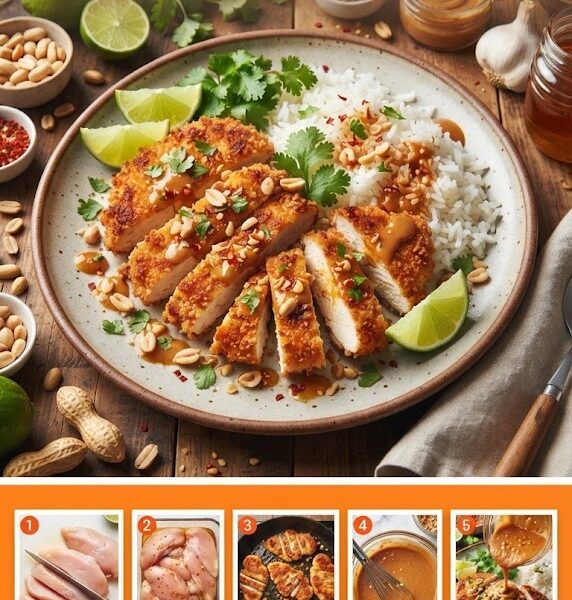
There is a specific kind of culinary magic that happens when the vibrant, aromatic spices of Southeast Asia meet the comforting, crispy textures of a classic Western chicken cutlet. If you have been searching for a dish that breaks the monotony of weeknight dinners while remaining approachable enough for a Tuesday night, you have arrived at your destination. This Thai Peanut Chicken Cutlets recipe, infused with a luscious honey garlic glaze, is more than just a meal; it is an explosion of flavor profiles—sweet, savory, spicy, and deeply nutty—all working in perfect harmony.
In this comprehensive guide, we will explore every facet of this dish, from the science behind the perfect golden sear to the cultural roots of the ingredients that make Thai cuisine so beloved worldwide. Whether you are a seasoned home cook or a beginner looking to impress, this recipe is designed to be foolproof, flavorful, and incredibly satisfying.
Why This Recipe is a Game-Changer for Your Kitchen
When we think of “Thai food,” we often think of complex curries that simmer for hours or intricate street food that requires specialized equipment. However, this recipe bridges the gap between authentic Thai inspiration and modern kitchen efficiency.
The use of chicken cutlets is the secret weapon here. By using thinly sliced or pounded chicken breasts, you significantly reduce the cooking time and increase the surface area for that incredible honey garlic peanut sauce to cling to. Every bite is guaranteed to be a perfect ratio of tender meat, crispy exterior, and velvety sauce.
Moreover, the combination of honey and garlic adds a layer of depth that elevates the traditional peanut sauce. The honey provides a floral sweetness that cuts through the richness of the peanut butter, while the garlic offers a pungent, savory backbone that ties the entire dish together.
The Anatomy of the Perfect Chicken Cutlet
Before we dive into the sauce, we must address the foundation: the chicken. A “cutlet” is simply a chicken breast that has been halved horizontally and often pounded to an even thickness. This technique is vital for several reasons:
- Uniform Cooking: When one end of a chicken breast is an inch thick and the other is a quarter-inch, the thin end dries out before the thick end is safe to eat. Cutlets solve this.
- Texture: Pounding the meat breaks down some of the muscle fibers, resulting in a more tender bite.
- Speed: A thin cutlet cooks in 3 to 4 minutes per side, making this a true “fast food” alternative that is actually healthy.
Preparing Your Cutlets
To prepare your own cutlets, place a skinless, boneless chicken breast on a cutting board. Place your non-cutting hand flat on top of the breast and carefully slice through the middle horizontally. Once you have two halves, place them between sheets of plastic wrap or in a heavy-duty freezer bag. Using a meat mallet or even a heavy skillet, gently pound the meat until it is a consistent 1/4-inch thickness.
The Star of the Show: The Honey Garlic Peanut Sauce
If the chicken is the body of this dish, the sauce is its soul. Thai peanut sauce, traditionally known as Satay sauce, usually relies on dry-roasted peanuts, coconut milk, and red curry paste. Our version takes those classic elements and introduces a “Honey Garlic” twist to make it more vibrant and kid-friendly while maintaining its adult-approved complexity.
The Component Breakdown:
- Creamy Peanut Butter: Provides the rich, fatty base. It acts as the emulsifier that brings the oils and liquids together.
- Honey: Adds a natural sweetness that caramelizes slightly when it hits the pan, creating a sticky, finger-licking glaze.
- Fresh Garlic: We aren’t shy here. Garlic provides the aromatic punch that balances the sugar in the honey.
- Soy Sauce (or Tamari): For that essential salty, umami kick.
- Fresh Ginger: Adds a bright, peppery heat that cuts through the richness of the peanuts.
- Lime Juice: Acidity is the “brightener.” It wakes up all the other flavors.
- Sriracha or Chili Flakes: For those who like a bit of a “glow” on the palate.
Essential Ingredients List
To ensure you get the best results, let’s look at what you’ll need to gather. Quality matters, especially when using a handful of powerful ingredients.
For the Chicken:
- Chicken Breasts: 1.5 lbs, sliced into cutlets.
- Salt and Black Pepper: Essential for seasoning the meat itself.
- Cornstarch or All-Purpose Flour: A light dusting helps the sauce adhere and creates a slight crust.
- Neutral Oil: Avocado oil or Grapeseed oil are excellent because they have high smoke points.
For the Thai Peanut Honey Garlic Sauce:
- Peanut Butter: 1/2 cup (Natural, creamy peanut butter works best).
- Honey: 3 tablespoons (Raw honey adds more floral notes).
- Garlic: 4-5 cloves, minced finely.
- Fresh Ginger: 1 tablespoon, grated.
- Soy Sauce: 2 tablespoons (Low-sodium is preferred).
- Rice Vinegar: 1 tablespoon (For a gentle tang).
- Sesame Oil: 1 teaspoon (A little goes a long way for that toasted aroma).
- Water or Coconut Milk: 2-4 tablespoons to thin the sauce to your desired consistency.
- Red Pepper Flakes: 1/2 teaspoon (adjust to your spice tolerance).
For Garnish (Don’t skip these!):
- Crushed Peanuts: For texture and crunch.
- Fresh Cilantro: For a burst of herbal freshness.
- Green Onions: Sliced thin on the bias.
- Lime Wedges: For a final squeeze of acid right before eating.
Step-by-Step Cooking Instructions
Step 1: Seasoning and Searing
Start by patting your chicken cutlets dry with a paper towel. This is a crucial step—moisture is the enemy of a good sear. Season both sides generously with salt and pepper. Lightly dredge each cutlet in a small amount of cornstarch, shaking off the excess.
Heat your large skillet over medium-high heat and add 2 tablespoons of oil. Once the oil is shimmering (but not smoking), place the cutlets in the pan. Do not crowd the pan; work in batches if necessary. Cook for 3-4 minutes per side until they reach a beautiful golden-brown color and the internal temperature hits 165°F (74°C). Remove the chicken and set it aside on a plate.
Step 2: Aromatics and Sauce Base
In the same skillet (no need to wash it; those browned bits are flavor gold!), lower the heat to medium. If the pan is dry, add a tiny splash of sesame oil. Toss in your minced garlic and grated ginger. Sauté for about 30 to 60 seconds until they become incredibly fragrant but be careful not to burn the garlic, as it can turn bitter.
Step 3: Emulsifying the Sauce
In a small bowl, whisk together the peanut butter, honey, soy sauce, rice vinegar, and red pepper flakes. Pour this mixture into the skillet with the garlic and ginger. As it heats up, it will begin to thicken rapidly. Use a whisk or a wooden spoon to stir constantly.
Slowly add your water or coconut milk one tablespoon at a time. You want the sauce to be thick enough to coat a spoon but fluid enough to pour. The honey will melt, and the peanut butter will loosen into a silky, glossy glaze.
Step 4: Bringing it All Together
Return the cooked chicken cutlets to the skillet. Use a spoon to baste each cutlet with the warm peanut sauce. Let them simmer in the sauce for just one minute—long enough for the flavors to fuse and the chicken to warm back through, but not so long that the crust becomes soggy.
Step 5: The Finishing Touches
Turn off the heat. This is where the dish goes from “good” to “restaurant-quality.” Sprinkle a generous amount of crushed peanuts over the top for crunch. Add the sliced green onions and fresh cilantro. Serve immediately with extra lime wedges on the side.
The Science of Flavor: Why Peanut and Honey Garlic Work
You might wonder why we combine peanut butter with honey and garlic. This is based on the Five Tastes principle: Sweet, Sour, Salty, Bitter, and Umami.
- Salty: Provided by the soy sauce and the salt on the chicken.
- Sweet: Provided by the honey and the natural sugars in the peanuts.
- Sour: Provided by the lime juice and rice vinegar.
- Umami: Provided by the garlic and the protein in the chicken.
- Heat (optional): Provided by the ginger and chili flakes.
When these elements are balanced, your brain perceives the meal as “complete.” This is why Thai food is often cited as one of the most addictive cuisines in the world—it hits every sensory note in a single bite.
Perfect Side Dish Pairings
While these Thai Peanut Chicken Cutlets are the star, they need the right supporting cast to make a full meal.
1. Jasmine Rice
The classic choice. The subtle floral aroma of Jasmine rice is the perfect neutral base to soak up that extra peanut sauce. For a healthier twist, try brown Jasmine rice or black “forbidden” rice.
2. Coconut Lime Cauliflower Rice
For those watching their carb intake, cauliflower rice sautéed with a splash of coconut milk and lime zest provides a similar mouthfeel to rice without the heavy starch.
3. Smashed Cucumber Salad
A cold, crisp cucumber salad dressed in rice vinegar, sesame oil, and a pinch of sugar provides a refreshing temperature and texture contrast to the warm, rich chicken.
4. Garlic Butter Bok Choy
Quick-seared bok choy or broccolini adds a much-needed green element and a slight bitterness that cuts through the honey-sweetened sauce.
5. Rice Noodles
Thin rice sticks (vermicelli) can be tossed directly with any leftover sauce for a “Pad Thai” inspired side dish that kids and adults will both adore.
Meal Prep and Storage Tips
This recipe is a dream for meal preppers. Because the sauce is oil and fat-based (from the peanuts), it doesn’t separate or get “watery” as easily as cream-based sauces.
- In the Fridge: Store leftovers in an airtight container for up to 4 days.
- Reheating: To keep the chicken from getting rubbery, reheat it in a skillet over low heat with a splash of water or broth to loosen the sauce. Avoid the microwave if possible, as it can overcook the chicken.
- Freezing: You can freeze the cooked chicken in the sauce for up to 2 months. Thaw overnight in the refrigerator before reheating.
Health Benefits of the Ingredients
Aside from being delicious, this dish packs a nutritional punch.
- Peanuts: A great source of plant-based protein, healthy monounsaturated fats, and Vitamin E.
- Ginger: Known for its anti-inflammatory properties and its ability to aid digestion.
- Garlic: High in manganese, Vitamin B6, and Vitamin C, garlic is also a powerhouse for the immune system.
- Honey: A natural antioxidant that is a much better sweetener choice than refined white sugar.
- Chicken Breast: A lean source of protein that is essential for muscle repair and satiety.
Common Mistakes to Avoid
Even the simplest recipes have potential pitfalls. Here is how to avoid them:
- Burning the Peanut Butter: Peanut butter has a low burn point because of its sugar and fat content. Keep your heat at “medium” once the sauce ingredients are in the pan.
- Using “Light” Peanut Butter: Avoid “low-fat” versions of peanut butter. These usually replace healthy fats with corn syrup and thickeners that won’t melt correctly into a sauce.
- Overcrowding the Pan: If you put too many chicken cutlets in the pan at once, the temperature drops, and the chicken “steams” instead of “sears.” This leads to grey, rubbery meat instead of golden-brown goodness.
- Skipping the Lime: Many people think lime is just a decoration. It isn’t. The acid is what balances the fat of the peanuts. Without it, the dish can feel “heavy.”
Variations for Special Diets
- Keto/Low-Carb: Replace the honey with a keto-friendly sweetener like Lakanto or monk fruit syrup. Use almond flour instead of cornstarch for the dredging.
- Gluten-Free: Simply ensure you are using Tamari instead of traditional soy sauce, as most soy sauce contains wheat.
- Vegan/Vegetarian: This sauce works incredibly well with Tofu Cutlets or Tempeh. Simply press the tofu to remove moisture, sear it exactly like the chicken, and proceed with the sauce.
- Nut-Free: If you have a peanut allergy, you can substitute the peanut butter with Sunflower Seed Butter (SunButter) or Tahini (sesame paste). The flavor will be different, but still delicious and creamy.
The Art of the Presentation
We eat with our eyes first. To make this look like a $30 entree at a high-end fusion restaurant, follow these plating tips:
- The Swoosh: Take a large spoonful of the peanut sauce and smear it across a wide, flat white plate.
- The Stack: Place two chicken cutlets partially overlapping each other on top of the sauce.
- The Height: Top the chicken with a small “nest” of thinly sliced green onions and cilantro.
- The Contrast: Sprinkle the dark red chili flakes and the light tan crushed peanuts from a height to ensure an even, artistic distribution.
Frequently Asked Questions (FAQs)
Can I use chicken thighs instead of breasts? Absolutely! Chicken thighs are more forgiving and stay juicier. Just keep in mind that they may take a few extra minutes to cook through compared to thin cutlets.
Can I make the sauce ahead of time? Yes. You can whisk the sauce ingredients together and store them in a jar in the fridge for up to a week. When you’re ready to cook, just pour it into the pan as instructed.
What if my sauce is too thick? Peanut butter varies by brand. If your sauce looks more like a paste, simply whisk in a tablespoon of warm water or coconut milk at a time until it reaches a “nappé” consistency (where it coats the back of a spoon).
Is this dish very spicy? As written, it has a mild “zing” from the ginger and a tiny bit of heat from the red pepper flakes. It is generally considered family-friendly. If you love heat, feel free to double the Sriracha or add fresh chopped Thai bird’s eye chilies.
The Cultural Significance of Peanut Sauce
Peanut sauce, or bumbu kacang, originated in Indonesia but became a staple across Southeast Asia, particularly in Thailand. Historically, peanuts were introduced to the region by Spanish and Portuguese explorers in the 16th century. Since then, Thai chefs have perfected the art of balancing the richness of the nut with the sharp, fermented flavors of fish sauce and the sweetness of palm sugar.
Our Honey Garlic version is a “New World” adaptation, acknowledging that home cooks in the USA and Europe often have honey and garlic more readily available than traditional Thai palm sugar or specific varieties of fermented shrimp paste. It is a testament to the versatility of Thai flavors—they can be adapted and fused with local ingredients while still retaining their core identity.
Conclusion: A New Weeknight Favorite
The Thai Peanut Chicken Cutlet with Honey Garlic glaze is a masterclass in flavor efficiency. It proves that you don’t need a pantry full of obscure ingredients or three hours of prep time to create a meal that feels special.
By focusing on the technique of the cutlet—pounding it thin and searing it fast—and the balance of the sauce—mixing the creamy, the sweet, and the pungent—you create a dish that satisfies every craving. It is healthy, fast, and remarkably sophisticated.
The next time you find yourself reaching for a takeout menu, remember this recipe. With just a few pantry staples and some fresh chicken, you can bring the vibrant, bustling flavors of a Bangkok night market right into your own dining room. Grab your skillet, mince that garlic, and get ready for a meal that your family will ask for again and again.
Enjoy your culinary journey into the world of Thai-inspired fusion! Be sure to share this recipe with fellow food lovers and experiment with your own variations. After all, the best recipes are the ones that evolve with every kitchen they enter.