
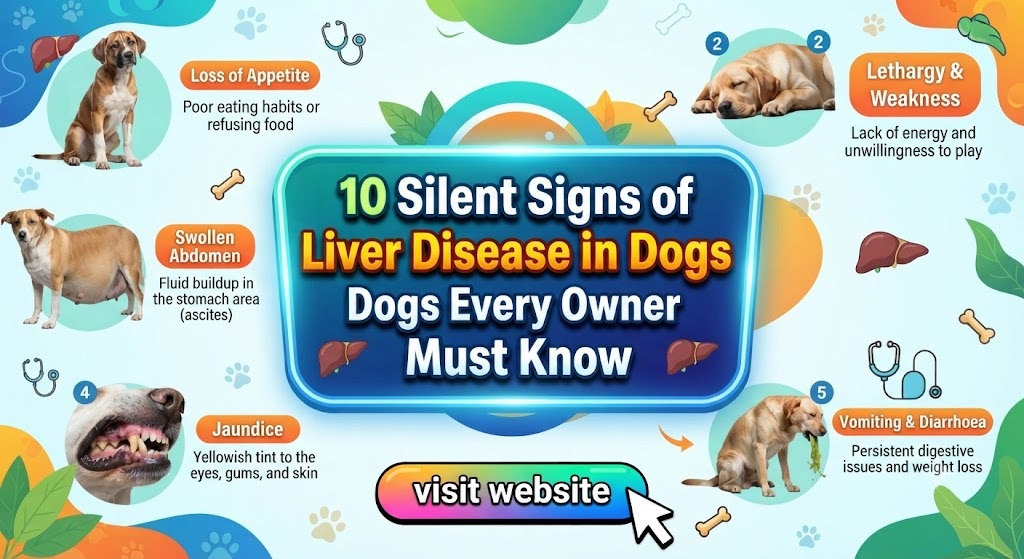
The Silent Sentinel: A Comprehensive Guide to Understanding, Treating, and Preventing Liver Problems in Dogs
The liver is arguably the most hard-working organ in your dog’s body. Tucked neatly behind the diaphragm, this powerhouse performs over 500 vital functions every single second. It filters toxins from the blood, metabolizes nutrients, produces essential proteins for blood clotting, and stores vitamins and minerals. Because of its central role in almost every bodily process, when the liver fails, the consequences are widespread and potentially devastating.
However, the liver is also known as the “Silent Sentinel.” It is incredibly resilient and has a unique ability to regenerate itself, but this is a double-edged sword. A dog can lose up to 75% of its liver function before showing any outward signs of illness. By the time a pet owner notices something is wrong, the condition is often advanced.
This guide aims to peel back the layers of mystery surrounding canine liver disease. We will explore the subtle red flags, the various forms of the disease, the breeds most at risk, and the cutting-edge treatments—from specialized diets to natural supplements—that can give your furry friend a second lease on life.
1. The Powerhouse Underneath: What the Liver Actually Does
To understand why liver problems are so serious, we must first appreciate what the liver does for your dog. Think of it as a combination of a high-tech refinery, a waste management plant, and a massive warehouse.
- Detoxification: The liver acts as a primary filter, removing ammonia, metabolic waste, and environmental toxins from the bloodstream.
- Protein Synthesis: It produces albumin (which keeps fluid in the blood vessels) and the proteins necessary for blood clotting.
- Digestion Support: It produces bile, which is essential for breaking down fats in the small intestine.
- Metabolic Control: The liver regulates blood sugar levels by storing glucose as glycogen and releasing it when energy is needed.
- Vitamin Storage: It serves as a storage unit for vitamins A, D, E, K, and B12, as well as minerals like iron and copper.
When these processes are interrupted, the entire body begins to suffer from a cascade of “glitches” that can lead to everything from brain fog to internal bleeding.
2. Recognizing the Red Flags: Symptoms of Liver Disease
Because the liver is so efficient, early symptoms are often “vague” and can be easily mistaken for a simple upset stomach or the natural aging process. Identifying these signs early is the key to successful management.
The Early (Vague) Signs
- Loss of Appetite: This is often the first sign. Your dog might become a “picky eater” or refuse meals they previously loved.
- Weight Loss: Gradual, unexplained weight loss despite eating (or due to lack of appetite).
- Increased Thirst and Urination (Polydipsia/Polyuria): The liver plays a role in water balance; when it fails, dogs often drink more to compensate for the buildup of toxins.
- Lethargy: A general lack of energy or interest in play.
- Intermittent Vomiting and Diarrhea: Chronic “sensitive stomach” issues can actually be the liver struggling to process fats and toxins.
- H1: Liver Problems in Dogs: Signs, Causes, Treatment & Prevention
- H2: What Does the Liver Do in Dogs?
- H2: Common Causes of Liver Problems in Dogs
- Toxins and Poisoning
- Infections
- Genetics and Breed Predisposition
- Poor Diet and Obesity
- Aging and Chronic Disease
- Medications That Can Affect the Liver
- H2: 10 Early Signs of Liver Problems in Dogs
- Loss of Appetite
- Vomiting or Diarrhea
- Increased Thirst and Urination
- Weight Loss
- Yellow Eyes or Gums (Jaundice)
- Lethargy and Weakness
- Swollen Abdomen
- Bad Breath
- Pale or Orange Stool
- Behavioral Changes
- H2: Symptoms of Advanced Liver Disease in Dogs
- H2: When Should You Take Your Dog to the Vet?
- H2: How Vets Diagnose Liver Problems in Dogs
- Physical Examination
- Blood Tests
- Urine Analysis
- Ultrasound and X-rays
- Liver Biopsy
- H2: Treatment Options for Liver Disease in Dogs
- Prescription Medications
- Liver-Support Supplements
- IV Fluids
- Surgery (When Needed)
- Dietary Changes
- H2: Best Foods for Dogs With Liver Problems
- Lean Protein Sources
- Easily Digestible Carbohydrates
- Healthy Fats
- Antioxidant-Rich Foods
- Veterinary Prescription Diets
- H2: Foods Dogs With Liver Disease Should Avoid
- H2: Can Dogs Recover From Liver Disease?
- H2: How to Prevent Liver Problems in Dogs
- Avoid Toxic Foods
- Keep Chemicals Out of Reach
- Schedule Regular Vet Checkups
- Maintain a Healthy Weight
- Vaccinate and Prevent Infections
- H2: Dog Breeds More Prone to Liver Disease
- H2: Frequently Asked Questions About Liver Problems in Dogs
- Can liver disease be cured?
- What are the first signs of liver failure?
- How long can a dog live with liver disease?
- Is liver disease painful for dogs?
- What foods help support liver health?
- H2: Final Thoughts: Protecting Your Dog’s Liver for a Longer, Healthier Life
3. The Many Faces of Liver Disease in Dogs
“Liver disease” is an umbrella term. There are several different ways the liver can be compromised, and understanding the specific type is crucial for treatment.
Portosystemic Shunt (PSS)
A shunt is a “shortcut” in the blood vessels. Instead of the blood from the digestive tract going through the liver to be filtered, it bypasses (shunts) directly into the general circulation. This means toxins like ammonia go straight to the heart and brain. Shunts are often congenital (born with it) but can occasionally be acquired due to chronic liver scarring.
Chronic Hepatitis
This is a long-term inflammation of the liver. If the inflammation persists, it leads to the replacement of healthy liver tissue with scar tissue, a process known as Cirrhosis. Once a liver is cirrhotic, it cannot be reversed, but the remaining healthy tissue can often be supported.
Copper Storage Hepatopathy
Certain dogs have a genetic defect that prevents them from excreting copper properly. Copper builds up in the liver cells, eventually causing toxic damage and failure. This is highly breed-specific.
Infectious Diseases
- Leptospirosis: A bacterial infection usually contracted from the urine of wildlife. It attacks both the liver and kidneys.
- Canine Adenovirus (Infectious Canine Hepatitis): A viral infection that targets the liver. While vaccines have made this rare, it is still a threat to unvaccinated dogs.
Liver Tumors (Neoplasia)
Liver cancer can be primary (originating in the liver) or metastatic (spreading from another organ like the spleen or pancreas). While “cancer” is a scary word, some liver tumors, like Hepatocellular Carcinoma, can be surgically removed if caught early.
4. Breed Predispositions: Is Your Dog at Higher Risk?
While any dog can develop liver issues, genetics play a significant role. If you own one of these breeds, you should be extra vigilant and consider regular blood screenings.
- Bedlington Terriers: Famous for their susceptibility to copper storage disease.
- West Highland White Terriers: Prone to copper accumulation and chronic hepatitis.
- Doberman Pinschers: Often suffer from a specific form of chronic hepatitis, particularly females.
- Labrador Retrievers: Increasingly recognized for copper-related liver disease.
- Yorkshire Terriers and Maltese: These small breeds are the “poster children” for Portosystemic Shunts.
- Cocker Spaniels: Higher risk for chronic hepatitis and liver scarring.
5. The Hidden Toxins: What’s Poisoning Your Dog’s Liver?
Sometimes, liver failure isn’t genetic—it’s environmental. Our homes and yards are filled with substances that can cause “Acute Liver Failure” (sudden, massive damage).
Xylitol (Birch Sugar)
This artificial sweetener is found in sugar-free gum, peanut butter, and baked goods. It causes a massive insulin spike followed by severe liver necrosis. It is one of the most dangerous toxins for dogs.
Blue-Green Algae
Found in stagnant ponds during hot weather. If a dog swims in or drinks water containing these cyanobacteria, they can suffer near-instantaneous liver failure.
Sago Palm
A common ornamental plant in warmer climates. Every part of this plant is highly toxic to the liver. Even eating one or two seeds can be fatal.
Human Medications
Acetaminophen (Tylenol) and certain NSAIDs can cause severe liver damage in dogs. Never give your dog human medication without veterinary approval.
Aflatoxins
These are toxins produced by molds that can occasionally grow on corn and grains used in pet foods. Reputable brands test for this, but “bargain” or improperly stored foods can be a risk.
6. Diagnosis: How Vets Solve the Mystery
If your vet suspects liver issues, they will likely recommend a “liver panel.” Understanding these results can help you better advocate for your pet.
- ALT and AST (Enzymes): These are released when liver cells are damaged or dying. High levels indicate “leakage” and active damage.
- ALP and GGT: These enzymes typically increase when there is a problem with bile flow (cholestasis).
- Bilirubin: As mentioned, high levels cause jaundice and indicate the liver isn’t processing waste correctly.
- Albumin: Low levels suggest the liver is no longer able to produce essential proteins (signaling chronic failure).
- Bile Acid Response Test: This is the “gold standard” for testing liver function. The dog is fasted, a blood sample is taken, the dog is fed, and another sample is taken two hours later. It measures how efficiently the liver “recycles” bile acids.
- Imaging: Ultrasounds allow vets to see the size and texture of the liver and look for shunts or tumors.
- Biopsy: This is the only way to get a definitive diagnosis of the type of liver disease. A small needle is used to take a tissue sample for analysis.
7. The Liver-Friendly Diet: Food as Medicine
When the liver is struggling, what your dog eats becomes the most powerful tool in your arsenal. The goal of a “liver diet” is to reduce the workload on the organ while providing the building blocks for regeneration.
High-Quality, Moderate Protein
The liver processes protein. When the liver is sick, it struggles to handle the ammonia (a byproduct of protein digestion).
- The Strategy: Avoid high-protein “performance” diets. Instead, use high-quality proteins that produce less ammonia, such as eggs, soy, or dairy-based proteins (if tolerated). Prescription diets like Royal Canin Hepatic or Hill’s l/d are formulated specifically for this.
Controlling Copper
If your dog has copper storage issues, they must eat a diet low in copper.
- Foods to Avoid: Organ meats (especially liver), shellfish, whole grains, and legumes.
- The Strategy: Use distilled water if your tap water is high in copper (common with copper piping).
Complex Carbohydrates
Carbs like white rice, oatmeal, and pasta are easy for the liver to process and provide the necessary energy to prevent the body from breaking down its own muscle (which creates more ammonia).
Soluble Fiber
Fiber (like beet pulp or pumpkin) helps “trap” toxins in the gut and carry them out through the feces, preventing them from being reabsorbed and sent to the liver.
8. Supplements and Natural Support: The “Big Three”
Many veterinarians now integrate nutraceuticals into their treatment plans. These supplements have strong clinical evidence for supporting liver health.
1. Milk Thistle (Silybin/Silymarin)
This is the most famous liver supplement. It works in three ways:
- It acts as a powerful antioxidant.
- It prevents toxins from binding to liver cell membranes.
- It stimulates protein synthesis, helping the liver grow new, healthy cells.
- Note: Always look for a standardized version like “Silybin” for better absorption.
2. SAMe (S-Adenosylmethionine)
SAMe is a compound naturally produced by the liver. When the liver is diseased, SAMe levels plummet. Supplementing with SAMe helps the liver produce glutathione, the body’s master antioxidant, which protects cells from further damage.
3. Vitamin E
As a fat-soluble antioxidant, Vitamin E helps neutralize free radicals that cause oxidative stress in the liver. It is often paired with SAMe for a synergistic effect.
9. Living with Chronic Liver Disease: Managing the Long Term
A diagnosis of chronic liver disease doesn’t have to be a death sentence. Many dogs live for years with managed conditions.
- Frequent, Small Meals: Instead of one or two large meals, feed 4 to 6 small meals. This prevents “spikes” in ammonia and glucose that a damaged liver can’t handle.
- Hydration is Key: Ensure your dog always has access to fresh, clean water. This helps the kidneys assist in flushing out toxins.
- Minimize Stress: High stress can increase metabolic waste. Keep a calm environment for a dog with advanced liver issues.
- Regular Monitoring: Expect to visit the vet every 3 to 6 months for blood work. This allows you to catch “flares” before they become emergencies.
10. Prevention: Can You Protect Your Dog?
While you can’t change your dog’s genetics, you can drastically reduce their risk of acquired liver problems.
- Vaccinate: Keep up with Leptospirosis and Canine Hepatitis vaccinations.
- Safe Environment: Keep the Sago Palms out of your yard and the Xylitol-containing gum in a high cupboard.
- Oral Health: Dental disease is a hidden cause of liver problems. Bacteria from infected gums can enter the bloodstream and travel directly to the liver, causing chronic inflammation.
- Weight Management: Just like in humans, “Fatty Liver Disease” (Hepatic Lipidosis) can occur in obese dogs. Keeping your dog at a lean weight reduces the strain on their metabolic processes.
- Judicious Use of Meds: Always use flea, tick, and heartworm preventatives as directed, and never exceed the dosage of prescribed medications.
11. Success Stories: There is Hope
It’s easy to feel overwhelmed when your dog is diagnosed with liver issues. However, the liver’s capacity for regeneration is nothing short of miraculous. We have seen dogs with 80% liver damage go on to live three or four more high-quality years through nothing more than a strict diet change and daily SAMe supplements.
The key is a partnership between you and your veterinarian. By being an observant owner—noticing that slight yellow tint in the eyes or the sudden refusal of a favorite treat—you are the liver’s first line of defense.
Conclusion
Liver problems in dogs are complex, multifaceted, and often hidden behind a mask of subtle symptoms. From the genetic predispositions of the Bedlington Terrier to the sudden danger of a sugar-free mint, the threats are varied. But armed with knowledge, the right diet, and a vigilant eye, you can protect your dog’s “Silent Sentinel.”
The liver does a lot for your dog; with the right care, you can do a lot for their liver. If you suspect your dog is showing any of the signs mentioned above, don’t wait. A simple blood test today could be the difference between a manageable condition and a tragic outcome. Your best friend is counting on you to be their voice.