
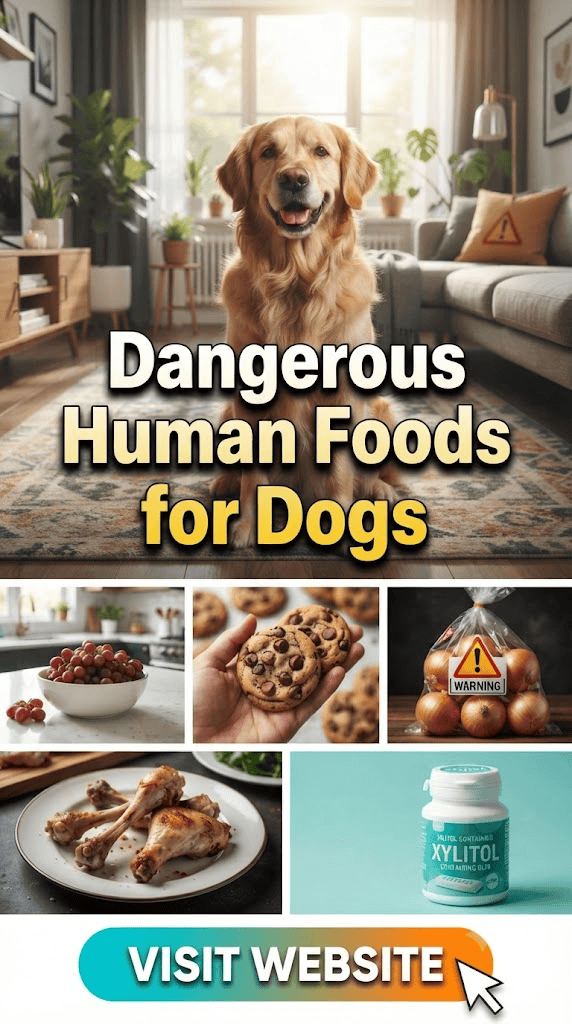
Pantry Perils: The Ultimate Guide to 50+ Human Foods That Are Toxic to Dogs
Every dog owner knows the “puppy dog eyes.” You’re sitting at the dinner table, enjoying a steak or a piece of fruit, and there they are—your loyal companion, staring with an intensity that suggests they haven’t eaten in decades. It’s tempting to toss them a scrap or let them lick your plate, but that simple act of “kindness” could be a fatal mistake.
While humans can process a vast array of complex chemicals and compounds, a dog’s digestive system and metabolism are built differently. What is a superfood for us can be a fast-acting poison for them. This comprehensive guide dives deep into the science of canine toxicity, covering everything from common pantry staples to hidden ingredients that could trigger an emergency vet visit.
The “Big Five”: The Deadliest Foods in Your Kitchen
If you remember nothing else, remember these five. These are the most common causes of accidental poisoning in dogs and often result in the most severe outcomes.
1. Xylitol (The Invisible Killer)
Xylitol is a sugar alcohol used as a sweetener in sugar-free gum, candies, some peanut butters, and “keto-friendly” baked goods.
- Why it’s dangerous: In humans, xylitol doesn’t affect insulin levels. In dogs, it causes a massive, rapid release of insulin.
- The result: This leads to a life-threatening drop in blood sugar (hypoglycemia) within 30 minutes. High doses can also cause acute liver failure and bleeding disorders.
- What to watch for: Vomiting, lethargy, loss of coordination, and seizures.
2. Chocolate and Caffeine (Methylxanthines)
Most people know chocolate is bad, but they don’t always know why. Chocolate and caffeine contain chemicals called methylxanthines (specifically theobromine and caffeine).
- The Rule of Darkness: The darker and more bitter the chocolate, the more dangerous it is. Baker’s chocolate and high-quality dark chocolate are far more toxic than milk chocolate. White chocolate contains negligible amounts but is still high in fat.
- Symptoms: Hyperactivity, panting, racing heart, tremors, and potentially heart failure.
3. Grapes and Raisins
The scientific community only recently discovered the likely culprit in grapes: Tartaric acid.
- The Mystery: Some dogs can eat grapes and be fine, while for others, a single raisin can cause sudden kidney failure. Because there is no “safe” dose, the rule is zero tolerance.
- The result: Acute renal failure. If your dog eats a grape, it is a medical emergency regardless of their size.
4. Onions, Garlic, and Chives (The Allium Family)
Whether raw, cooked, powdered, or dehydrated, members of the onion family contain N-propyl disulfide.
- The Mechanism: This compound breaks down a dog’s red blood cells, leading to a condition called hemolytic anemia.
- The Sneaky Danger: Symptoms often don’t appear for 3 to 5 days after ingestion. You might think your dog is fine, but their body is secretly stoping the production of oxygen-carrying blood cells.
5. Macadamia Nuts
Macadamia nuts are unique because they are toxic to dogs but not to most other pets or humans.
- The Symptoms: Within 12 hours of eating macadamias, dogs develop weakness (especially in the hind legs), vomiting, tremors, and hyperthermia (overheating).
- The Good News: While scary, most dogs recover with supportive care, but the distress caused to the animal is significant.
Fruits: The Sweet and the Dangerous
Many fruits are healthy treats (like blueberries and apples), but others contain hidden toxins or physical hazards.
Avocados
Avocados contain a fungicidal toxin called persin. While dogs are more resistant to persin than birds or horses, large amounts can cause GI upset. The bigger danger, however, is the pit, which is a perfect size for an intestinal obstruction and contains the highest concentration of persin.
Cherries
The flesh of a cherry is generally safe, but the pits, stems, and leaves contain cyanide. If a dog crunches down on several cherry pits, they risk cyanide poisoning, which prevents cells from using oxygen.
Citrus Fruits
While a small piece of orange flesh won’t kill a dog, the essential oils and psoralens found in the seeds, peel, and leaves can cause central nervous system depression and irritation. Lemons and limes are particularly acidic and can lead to severe stomach upset.
Persimmons, Peaches, and Plums
The fruit itself is okay, but the seeds (pits) are the problem.
- Persimmon seeds can cause inflammation of the small intestine.
- Peach and plum pits contain cyanide and are major choking/obstruction hazards.
The Hidden Dangers in Your Pantry and Spice Rack
We often cook with “a pinch of this and a dash of that,” but those pinches can be toxic to a 20-pound dog.
Nutmeg
Nutmeg contains a compound called myristicin. In large quantities (like a dog eating a whole spice container or a batch of spiced cookies), it causes hallucinations, high blood pressure, abdominal pain, and seizures.
Salt and Salty Snacks
Canine kidneys aren’t designed to process high levels of sodium. “Salt poisoning” or sodium ion poisoning can occur if a dog eats a large bag of pretzels, chips, or (famously) homemade playdough. It leads to brain swelling, tremors, and death.
Yeast Dough
If a dog eats raw bread dough, the warm environment of their stomach acts as an oven.
- Expansion: The dough continues to rise, stretching the stomach and potentially causing a gastric torsion (bloat), which is a surgical emergency.
- Alcohol Poisoning: As the yeast ferments the sugars in the dough, it produces ethanol, which is absorbed into the bloodstream.
Baking Powder and Baking Soda
Both are highly concentrated leavening agents. If ingested in large amounts, they can cause significant electrolyte imbalances (low potassium, low calcium, or high sodium), leading to muscle spasms and heart failure.
Meat and Dairy: Not Always a Dog’s Best Friend
We associate dogs with bones and milk, but modern veterinary science suggests we should be more cautious.
Cooked Bones
This is a controversial topic, but the consensus is clear: Never give a dog cooked bones. Cooking changes the molecular structure of the bone, making it brittle. When a dog chews a cooked bone, it splinters into shards that can puncture the esophagus, stomach, or intestines. Raw bones are generally safer, but they carry risks of bacteria like Salmonella and dental fractures.
Fat Trimmings and Fried Foods
While not “toxic” in the sense of a poison, high-fat foods (like bacon grease, steak fat, or fried chicken) can trigger Pancreatitis. This is a painful, life-threatening inflammation of the pancreas where the organ essentially begins to digest itself. Some breeds, like Schnauzers, are genetically predisposed to this.
Dairy Products (Milk, Cheese, Ice Cream)
Dogs do not have significant amounts of lactase (the enzyme that breaks down lactose in milk). While a small cube of cheese is usually fine as a high-value training treat, large amounts of dairy lead to gas, bloating, and severe diarrhea.
The Liquid Danger: Drinks to Keep Out of Reach
Alcohol
This should go without saying, but alcohol is significantly more toxic to dogs than humans. Because dogs are smaller and have different liver enzymes, even a small amount of beer, wine, or liquor can cause respiratory failure, tremors, and coma. This includes foods cooked with alcohol, as the alcohol doesn’t always “burn off” completely.
Hops
For the homebrewers out there: raw or spent hops are extremely dangerous. They cause malignant hyperthermia, a condition where the dog’s body temperature rises uncontrollably, leading to multi-organ failure.
Why “Size and Dosage” Matter
When discussing toxicity, we must consider the Toxic Dose.
- The Dilution Factor: A 100-pound Great Dane eating one chocolate chip is unlikely to show symptoms. A 4-pound Chihuahua eating that same chocolate chip could experience a racing heart.
- Cumulative Effects: Some toxins, like those in onions, can build up over time. Feeding a dog a small piece of onion every day can eventually lead to the same red blood cell damage as eating a whole onion at once.
What to Do in an Emergency: A Step-by-Step Guide
If you suspect your dog has eaten something toxic, seconds count. Do not wait for symptoms to appear; by then, the toxin may already be absorbed.
- Identify the Toxin: Find the wrapper or the remaining food. Note the ingredients (look for Xylitol/Birch Sugar).
- Estimate the Amount: Did they eat one square of chocolate or the whole bar?
- Call the Experts: Call your vet immediately. If it’s after hours, call the nearest emergency animal hospital.
- Poison Control: Keep these numbers on your fridge:
- ASPCA Animal Poison Control Center: (888) 426-4435
- Pet Poison Helpline: (855) 764-7661
- (Note: There is usually a consultation fee for these services, but it is worth every penny for the expert advice they provide to your vet.)
- Do Not Induce Vomiting Unless Instructed: Some substances (like caustic cleaners or sharp objects) can do more damage coming back up. Only use hydrogen peroxide to induce vomiting if a veterinary professional tells you to.
Safe “Human Food” Alternatives
You don’t have to keep your dog away from everything in your kitchen. If you want to share a snack, stick to these vet-approved options:
- Carrots: Great for dental health and low in calories.
- Green Beans: The “filler” of choice for dogs needing to lose weight.
- Blueberries: Packed with antioxidants.
- Plain Pumpkin: (Not pumpkin pie mix!) Excellent for digestion.
- Apples: Slices are great, just remove the core and seeds.
- Cooked Chicken: Plain, unseasoned, and skinless.
- Plain Greek Yogurt: High in probiotics (check for Xylitol first!).
Creating a Dog-Safe Home
Preventing an emergency is much easier than treating one. Use these tips to “dog-proof” your kitchen:
- The High-Shelf Rule: Store all baking supplies (Xylitol, cocoa powder, spices) on the highest shelves or in airtight containers inside a latched pantry.
- The Trash Problem: Many poisonings happen because a dog “surfed” the trash. Use bins with locking lids or keep the trash inside a cabinet.
- Education: Ensure everyone in the house (especially children and guests) knows the “No Human Food” rule.
- Counter Surfing: Never leave groceries or cooling baked goods on the edge of the counter. A dog can clear a counter in the three seconds it takes you to answer the doorbell.
Summary Table: Quick Reference for Dangerous Foods
| Food Item | Primary Toxin | Major Risk |
|---|---|---|
| Xylitol | Sugar Alcohol | Hypoglycemia / Liver Failure |
| Chocolate | Theobromine | Heart Arrhythmia / Seizures |
| Grapes/Raisins | Tartaric Acid | Kidney Failure |
| Onions/Garlic | N-propyl disulfide | Anemia (Red blood cell damage) |
| Macadamia Nuts | Unknown | Hind limb paralysis / Tremors |
| Yeast Dough | Ethanol/CO2 | Bloat / Alcohol Poisoning |
| Cooked Bones | Physical Structure | Internal Perforation |
| Fatty Scraps | Lipids | Pancreatitis |
| Avocado Pit | Persin | Obstruction / Choking |
| Caffeine | Methylxanthines | Hypertension / Tachycardia |
Conclusion: Vigilance is Love
Being a dog owner comes with the responsibility of being their “food filter.” They don’t know that the grape on the floor is dangerous; to them, it’s just a tasty treat. By understanding the biochemistry of canine digestion and keeping a watchful eye on your kitchen habits, you can ensure that your four-legged friend lives a long, healthy, and poison-free life.
Remember: When in doubt, leave it out. No amount of “begging” is worth the risk of a life-threatening emergency. Stick to high-quality dog treats and vet-approved vegetables, and keep the chocolate and onions for the humans.