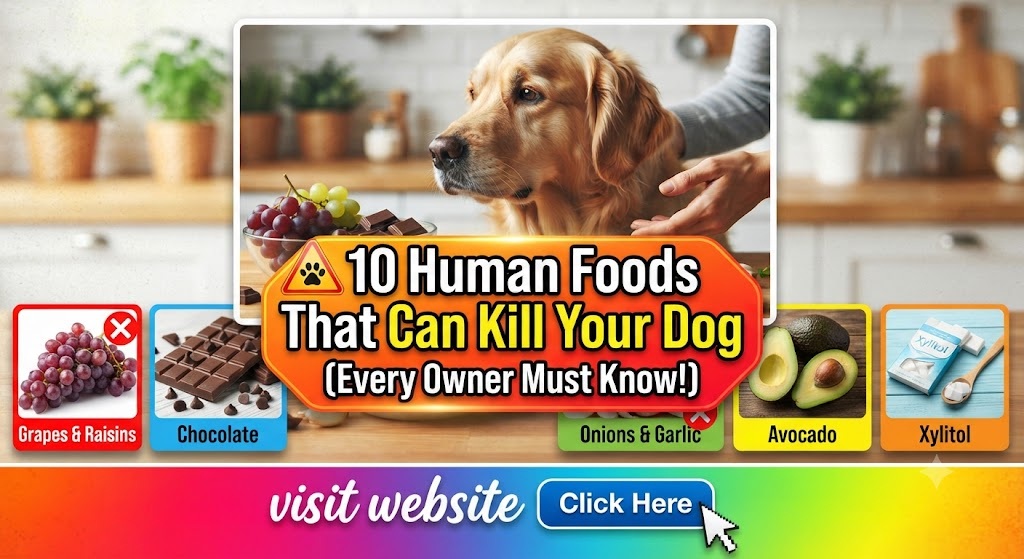
The Silent Killers in Your Kitchen: 10 Human Foods That Can Actually Kill Your Dog.
However, the biological gap between humans and canines is vast. While our bodies are equipped to process a wide variety of complex chemicals, spices, and compounds, a dog’s digestive system and metabolic processes are remarkably different. What constitutes a delicious snack for you could be a lethal dose of poison for your four-legged best friend.
In this comprehensive guide, we are diving deep into the science of canine toxicity. We will explore the ten most dangerous human foods that can lead to severe illness, organ failure, and death in dogs. Understanding these risks isn’t just about being a “strict” pet parent—it’s about saving your dog’s life.
1. Xylitol: The Sweet Assassin
If there is one ingredient on this list that every dog owner must memorize, it is Xylitol. This sugar alcohol is an artificial sweetener found in an increasing number of household products. While perfectly safe for human consumption, it is arguably the most dangerous substance a dog can ingest.
Why It Is Lethal
In humans, Xylitol does not affect insulin levels. However, when a dog eats Xylitol, their body confuses it with real sugar. This triggers a massive, rapid release of insulin from the pancreas. This sudden spike causes the dog’s blood sugar levels to plummet—a condition known as hypoglycemia. If left untreated, this can lead to acute liver failure and seizures within hours.
Common Sources
- Sugar-free chewing gum and mints
- “Diet” or “Keto” peanut butters (Always check the label!)
- Sugar-free baked goods
- Toothpaste and mouthwash
- Some chewable vitamins
Symptoms to Watch For
- Vomiting
- Loss of coordination (stumbling like they are drunk)
- Lethargy or collapse
- Seizures
- Yellowing of the gums (a sign of liver failure)
The Bottom Line: Even a tiny amount of Xylitol can be fatal to a large dog. If your dog eats gum or “sugar-free” candy, this is a 911 emergency.
2. Chocolate and Caffeine: The Dark Side of Treat Time
Most people know chocolate is “bad” for dogs, but few realize how quickly it can turn deadly. The culprit is a chemical compound called theobromine, which belongs to the same family as caffeine.
The Science of the Toxicity
Humans metabolize theobromine quickly. Dogs, however, process it very slowly. This allows the chemical to build up to toxic levels in their system, overstimulating their central nervous system and heart muscle.
The Danger Scale
Not all chocolate is created equal. The darker and more bitter the chocolate, the more theobromine it contains:
- Cocoa Powder: Extremely toxic.
- Unsweetened Baker’s Chocolate: Highly dangerous.
- Dark Chocolate: Dangerous in small amounts.
- Milk Chocolate: Requires a larger amount but still risky.
- White Chocolate: Low levels of theobromine, but the high fat content can cause pancreatitis.
Symptoms of Chocolate Poisoning
- Extreme thirst
- Panting and restlessness
- Abnormal heart rhythm
- Muscle tremors
- Hyperthermia (elevated body temperature)
3. Grapes and Raisins: The Mysterious Kidney Killers
Grapes and raisins are perhaps the most frustrating toxins for veterinarians because, for a long time, the exact toxic agent was unknown. Recent research suggests that tartaric acid within the fruit may be the cause.
The Roulette Factor
What makes grapes terrifying is that toxicity is not dose-dependent in a predictable way. Some dogs can eat a bowl of grapes and seem fine, while another dog might die after eating just two or three raisins. Because there is no way to know your dog’s sensitivity, the “safe” amount is zero.
The Result: Acute Renal Failure
Grapes and raisins cause the kidneys to shut down rapidly. Once a dog’s kidneys stop functioning, the body cannot filter toxins out of the blood, leading to a painful and rapid death.
Symptoms to Watch For
- Loss of appetite
- Severe vomiting and diarrhea (often occurring within 6–12 hours)
- Decreased urination or no urination at all
- Abdominal pain
4. Onions, Garlic, and Chives: Destroyers of Red Blood Cells
Whether raw, cooked, powdered, or dehydrated, members of the Allium family (onions, garlic, leeks, chives) are toxic to dogs. While garlic is sometimes touted in “natural” pet circles in very trace amounts, the risk of oxidative damage usually outweighs any perceived benefit.
How It Works: N-propyl Disulfide
These plants contain compounds that cause oxidative damage to a dog’s red blood cells. Specifically, they cause the hemoglobin to clump together into “Heinz bodies.” This makes the red blood cells fragile and causes them to burst.
The Delayed Effect
The danger of onions and garlic is that the symptoms often don’t appear immediately. It can take 3 to 5 days after ingestion for the dog to show signs of anemia. By the time you notice your dog is weak, they may have already lost a significant percentage of their oxygen-carrying blood cells.
Symptoms of Anemia
- Pale gums
- Increased heart rate
- Fainting or extreme weakness
- Red-tinted urine (due to bursting blood cells)
5. Macadamia Nuts: The Mystery Malaise
While many nuts are simply high in fat (which can cause stomach upset), Macadamia nuts contain an unidentified toxin that affects the canine nervous and muscular systems.
What Happens?
Within 12 hours of eating Macadamia nuts, dogs experience a strange set of neurological symptoms. While it is rarely fatal on its own, the secondary effects—such as the inability to stand or a dangerously high body temperature—can lead to severe complications.
Symptoms
- Weakness in the hind legs (the dog may “sink” or drag their back legs)
- Tremors
- Vomiting
- High fever
- Swollen or painful joints
6. Alcohol: More Than Just a “Buzz”
It might seem funny to some to see a dog lap up a spilled beer, but alcohol is significantly more toxic to dogs than it is to humans. Because dogs are generally smaller and have different metabolic rates, even a small amount of ethanol can lead to alcohol poisoning.
The Dangers of Ethanol
Alcohol depresses the central nervous system. In dogs, this leads to a rapid drop in blood pressure, body temperature, and blood sugar.
Hidden Sources of Alcohol
- Alcoholic beverages (Beer, wine, liquor)
- Hand sanitizer
- Rubbing alcohol
- Uncooked yeast dough (which ferments in the stomach—see #9)
- Certain types of mouthwash
Symptoms of Alcohol Toxicity
- Disorientation and lack of coordination
- Difficulty breathing
- Acidity in the blood (metabolic acidosis)
- Cardiac arrest
7. Avocados: The Persin Problem
The “superfood” status of avocados does not extend to the canine world. Avocados contain a fungicidal toxin called persin.
Is It the Flesh or the Pit?
While the flesh of the avocado contains some persin, the highest concentrations are found in the leaves, bark, and the pit. However, for dogs, the pit presents a double danger:
- Toxicity: High levels of persin can cause fluid accumulation in the lungs and chest.
- Obstruction: The large, slippery pit is a perfect size to get stuck in a dog’s throat or intestinal tract, requiring emergency surgery.
Symptoms
- Stomach upset and vomiting
- Difficulty breathing
- Myocardial damage (heart muscle damage)
8. Cooked Bones and Fat Trimmings
It’s a classic image: a dog gnawing on a bone. However, giving your dog leftovers from your steak or Sunday roast can be a death sentence.
The Danger of Cooked Bones
When bones are cooked, their molecular structure changes. They become brittle. When a dog crunches down on a cooked bone, it can splinter into shards as sharp as glass. These shards can:
- Puncture the esophagus
- Lacerate the stomach lining
- Cause a fatal “perforation” of the intestines, leading to sepsis.
The Danger of Fat Trimmings
Feeding your dog the fatty edges of meat can trigger Pancreatitis. This is a severe inflammation of the pancreas. The organ essentially begins to digest itself, causing excruciating pain and potential organ failure.
9. Raw Yeast Dough: An Internal Time Bomb
If you enjoy baking bread, you must keep your rising dough far out of your dog’s reach. Raw dough containing yeast is dangerous for two distinct reasons.
1. Expansion (The “Bloat” Factor)
A dog’s stomach is a warm, moist environment—the perfect place for yeast to rise. Once ingested, the dough continues to expand in the stomach. This can lead to a distended abdomen and, in severe cases, Gastric Dilatation-Volvulus (GDV), or “Bloat,” where the stomach twists on itself, cutting off blood flow. This is a surgical emergency.
2. Alcohol Poisoning
As the yeast ferments the sugars in the dough, it produces ethanol (alcohol) as a byproduct. This alcohol is absorbed into the bloodstream, leading to the toxicity mentioned in point #6.
10. Excessive Salt and Salty Snacks
While we often think of salt as a basic nutrient, “Salt Poisoning” (water deprivation-sodium ion poisoning) is a real threat to dogs who get into the snack cabinet.
How Much Is Too Much?
Sharing a single pretzel isn’t likely to kill a dog, but if a dog gets into a bag of salt-covered snacks or licks up a spill of rock salt (used for melting ice), the results can be catastrophic.
The Physiological Impact
Excessive salt causes the cells to release their water into the bloodstream to balance the concentration. This causes the brain cells to shrink and dehydrate, leading to neurological destruction.
Symptoms of Salt Poisoning
- Extreme thirst and frequent urination
- Vomiting and diarrhea
- Seizures
- Coma
- Death
What to Do If Your Dog Eats Something Toxic
Time is the most critical factor when dealing with poisoning. If you suspect your dog has eaten any of the foods listed above, do not “wait and see.”
- Call Your Vet Immediately: Have the packaging of what they ate ready so you can tell the vet the exact ingredients and weight.
- Contact Poison Control:
- ASPCA Animal Poison Control Center: (888) 426-4435
- Pet Poison Helpline: (855) 764-7661
- Do Not Induce Vomiting Unless Instructed: Some substances (like caustic chemicals or sharp bones) can do more damage if they are vomited back up. Only induce vomiting if a professional tells you to do so.
- Keep Samples: If your dog vomits or has a bowel movement, it might be unpleasant, but taking a sample to the vet can help them identify the toxin.
How to “Dog-Proof” Your Home
Prevention is always better than a trip to the ER. Here are some pro-tips for keeping your kitchen safe:
- The “No Scraps” Rule: The easiest way to prevent accidental poisoning is to never feed your dog from the table. If they never get human food, they are less likely to “counter-surf.”
- Secure Trash Cans: Many poisonings happen because a dog raids the trash. Use bins with locking lids or keep the trash inside a pantry closet.
- Label Xylitol: If you have sugar-free gum or peanut butter, put a bright sticker on it to remind everyone in the house that it is “Dog Poison.”
- Educate Guests: During holidays or parties, make sure your guests know not to give the dog “treats” under the table.
Safe Alternatives: What Human Foods CAN Dogs Eat?
It’s not all bad news! If you really want to share a snack with your pup, there are plenty of healthy, safe options that provide nutritional benefits:
- Carrots: Great for teeth and low in calories.
- Blueberries: Packed with antioxidants (unlike grapes!).
- Plain Pumpkin: Excellent for digestion (ensure it’s not pumpkin pie mix with spices).
- Apples: A great source of Vitamin C and fiber (just remove the seeds and core).
- Cooked Lean Chicken: Unseasoned and without bones.
- Green Beans: The perfect “diet” snack for dogs.
Conclusion: Knowledge Is the Best Protection
Our dogs rely on us for everything. They don’t know that the grape on the floor or the piece of sugar-free gum in your purse is a deadly toxin. They only know that it smells interesting and that they trust you.
By memorizing this list and being vigilant about what enters your dog’s mouth, you are fulfilling your most important role as a pet owner: being their guardian. Keep your snacks to yourself, keep the pantry doors shut, and enjoy many long, healthy years with your furry companion.
Share this guide with every dog owner you know. You never know when a simple piece of information might save a life.