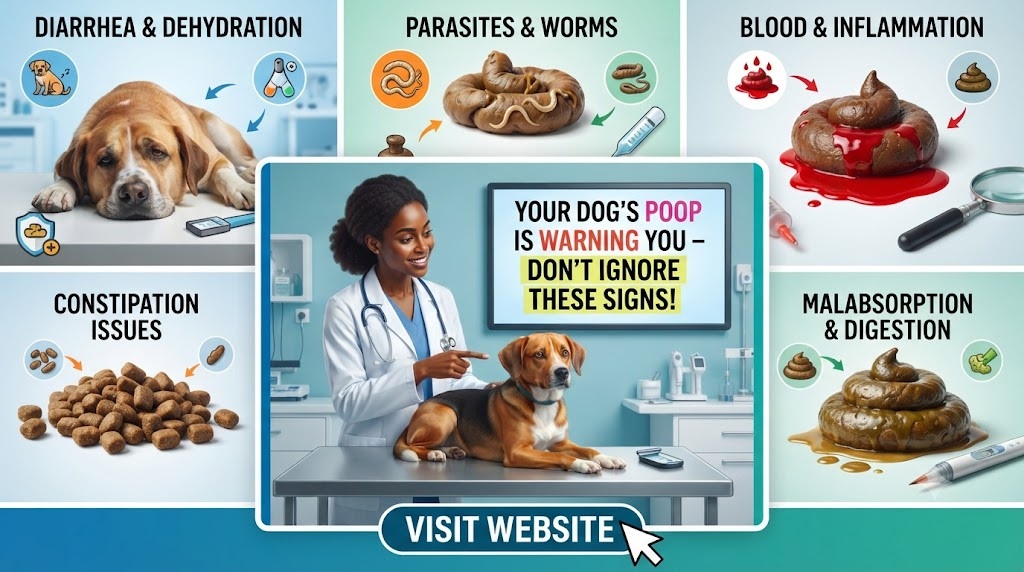
Decoding the Scoop: What Your Dog’s Poop is Secretly Telling You About Their Diet
Veterinarians often refer to a dog’s stool as a “window into their health.” Because dogs cannot tell us when they have a stomach ache or when their new kibble isn’t sitting right, their digestive waste does the talking for them. Every pile of poop contains a wealth of information about their hydration levels, internal organ function, and, most importantly, the quality of their diet.
In this comprehensive guide, we will break down everything you need to know about your dog’s bowel movements. From the “4 Cs” of dog poop to the specific indicators of dietary sensitivities, you’ll learn how to decode the scoop and optimize your dog’s nutrition for a longer, healthier life.
The “4 Cs” of Dog Poop: Your Diagnostic Checklist
Before we dive into the specifics of what a diet change can do, we must establish a baseline. When you look down at that pile in the grass, you should be evaluating it based on the 4 Cs: Color, Consistency, Content, and Coating.
1. Color
The ideal dog poop should be a chocolatey brown. This color is produced by stercobilin, a chemical that results from the breakdown of bilirubin (a byproduct of red blood cell destruction) in the gut. Any significant departure from “chocolate brown” is a signal that something is happening in the digestive tract or that the diet is lacking balance.
2. Consistency
Veterinarians use a scale from 1 to 7 to grade consistency.
- Grade 1: Hard, dry pellets (signs of dehydration or severe constipation).
- Grade 2: Firm but pliable (the ideal “Goldilocks” zone).
- Grade 3-4: Moist, logs that leave little residue when picked up (still healthy).
- Grade 5-6: Soggy, textured piles or “soft serve” (indicates inflammation or poor absorption).
- Grade 7: Watery diarrhea (emergency or acute irritation).
3. Content
What is inside the poop? Under normal circumstances, you shouldn’t see much. If you spot white specks (parasites), large chunks of undigested food, or foreign objects (like pieces of a tennis ball), the diet or the environment needs an immediate overhaul.
4. Coating
Healthy poop should not have a film or coating. If you notice a slimy, jelly-like substance on the outside, this is typically mucus. While a tiny bit of mucus is normal for lubrication, a visible coating often indicates a “colitis” or inflammation of the large intestine.
The Rainbow of Digestive Health: What Colors Mean
The color of your dog’s stool is the most immediate indicator of their nutritional status. Here is a breakdown of what different shades mean for your dog’s diet:
Chocolate Brown (The Gold Standard)
If your dog’s poop is consistently brown, their digestive system is processing fats, proteins, and carbohydrates correctly. This indicates a balanced microbiome and a diet that agrees with their system.
Yellow or Mustard (Fast Transit Time)
Yellow stool often suggests that food is moving through the digestive tract too quickly. This is known as rapid transit. When food moves too fast, the bile (which is yellow/green) doesn’t have time to turn brown.
- Dietary Link: This is common when switching to a new food too quickly or if the dog has a food intolerance to a specific protein like chicken or dairy.
Green (Grass or Gallbladder)
Green poop usually means one of two things: your dog has been eating a lot of grass, or there is an issue with the gallbladder.
- Dietary Link: If your dog is “grazing” like a cow, they may be seeking extra fiber or trying to soothe an upset stomach. Adding a high-quality fiber source to their meal can often stop the grass-eating habit.
Bright Red Streaks (Lower GI Bleeding)
Seeing red can be terrifying, but bright red streaks usually indicate bleeding in the lower GI tract (the colon).
- Dietary Link: This is often caused by “dietary indiscretion”—a polite way of saying your dog ate something they shouldn’t have, like a sharp bone, a stick, or highly abrasive table scraps that irritated the lining of the rectum.
Black and Tarry (Upper GI Bleeding)
This is much more serious than bright red streaks. Black, sticky stool (melena) indicates that blood has been digested, meaning the bleeding is happening in the stomach or small intestine.
- Dietary Link: This can be caused by severe food allergies leading to ulcers, or toxicity from eating “human foods” like garlic or onions.
Grey and Greasy (Fat Malabsorption)
If the poop looks like a pile of grey sand or is exceptionally shiny and oily, it’s a sign of maldigestion.
- Dietary Link: This is a classic sign of a diet that is too high in fat. It can also point to Exocrine Pancreatic Insufficiency (EPI) or pancreatitis. If you are feeding your dog greasy table scraps (like bacon grease or pizza crusts), stop immediately.
White or Chalky (High Calcium)
White, crumbly poop is most common in dogs fed a raw diet that includes too many bones.
- Dietary Link: While some bone content is good for minerals, too much calcium causes the stool to become rock-hard and white. This can lead to severe constipation and obstipation.
How Different Diets Impact Stool Quality
Not all dog foods are created equal, and the proof is in the poop. Depending on whether you feed kibble, raw, or fresh food, you will notice distinct differences in what ends up in the yard.
The Kibble Effect
Kibble is often high in carbohydrates and fiber fillers (like beet pulp, corn, or soy).
- What to expect: Larger, more frequent stools. Because kibble contains more “fillers” that the dog’s body cannot fully absorb, more waste is produced.
- The Problem: If the kibble is low-quality, the stool may be consistently soft or smell exceptionally foul due to the fermentation of undigested grains in the gut.
The Raw Diet (BARF) Effect
Dogs on a raw meat and bone diet produce significantly different waste.
- What to expect: Small, firm, and relatively odorless stools. Because raw meat is highly bioavailable, the dog’s body absorbs almost everything, leaving very little waste.
- The Problem: As mentioned, if the bone-to-meat ratio is off, the poop can become “calcified” and difficult to pass.
The Fresh/Cooked Food Effect
Fresh food diets (like The Farmer’s Dog or home-cooked meals) usually result in “Grade 2” stools.
- What to expect: Consistent, well-formed logs with a healthy brown color.
- The Benefit: These diets are usually high in moisture, which helps prevent the dehydration-related constipation often seen with dry kibble.
The Role of Fiber: Finding the “Sweet Spot”
Fiber is the regulator of the canine digestive system. It comes in two forms: Soluble (which absorbs water and slows digestion) and Insoluble (which adds bulk and speeds up transit).
If your dog’s poop is consistently a “Grade 5” (soft serve), they likely need more soluble fiber to soak up excess moisture.
- Natural Fix: Add a tablespoon of plain, canned pumpkin (NOT pumpkin pie filling) to their meal. The soluble fiber in pumpkin acts like a sponge, firming up the stool.
If your dog’s poop is a “Grade 1” (hard pebbles), they need more insoluble fiber and hydration to move things along.
- Natural Fix: Adding steamed green beans or a splash of bone broth to their dry food can provide the mechanical push and moisture needed for a smooth exit.
The Hidden Culprits: What Content Tells You
Sometimes, it’s not the color or the shape, but what’s hiding inside the poop that provides the biggest clue about your dog’s diet and lifestyle.
1. White “Rice Grains”
If you see small, white, wiggling segments that look like grains of rice, your dog has tapeworms. This isn’t strictly dietary, but it affects how your dog absorbs nutrients from their food. Tapeworms often cause weight loss despite a healthy appetite.
2. Excessive Fur
Seeing a “hairy” poop usually means your dog is over-grooming. This can be a sign of boredom, but in many cases, it’s a dietary allergy. If a dog is allergic to their food, their skin becomes itchy (pruritus). They lick their paws and flanks, swallowing fur, which then shows up in their stool.
3. Undigested Veggies
Did you see whole peas or corn kernels in the waste? Dogs have a shorter digestive tract than humans and lack the enzyme (cellulase) to break down the cellulose walls of many vegetables.
- The Fix: If you feed your dog veggies, they should be steamed, pureed, or finely chopped so the dog can actually absorb the nutrients inside.
Why Does My Dog’s Poop Smell So Bad?
Let’s be honest: no poop smells like roses. However, there is a difference between “normal” poop smell and “clear the room” stench.
Extremely foul-smelling stool is usually a sign of malabsorption. When a dog’s body cannot break down the protein or fat in their diet, that food sits in the colon and rots (ferments). This produces gases and a smell that is significantly more pungent than healthy waste.
- Common culprits: Low-quality fats, artificial preservatives, and “meat by-products” that are difficult for the canine gut to process. Switching to a high-quality, limited-ingredient diet often reduces the odor within two weeks.
Transitioning Food: How to Avoid the “Blowout”
One of the most common reasons for poor stool quality is a sudden change in diet. The canine gut microbiome is a delicate ecosystem of bacteria. When you suddenly introduce a new protein or brand of kibble, those bacteria are overwhelmed.
To keep the “4 Cs” in check, always use the 7-Day Transition Rule:
- Days 1-2: 75% old food, 25% new food.
- Days 3-4: 50% old food, 50% new food.
- Days 5-6: 25% old food, 75% new food.
- Day 7: 100% new food.
If at any point the stool becomes watery, stay at that percentage for a few extra days until it firms up.
When Is It a Medical Emergency?
While diet is responsible for 80% of stool issues, the other 20% can be serious medical conditions. You should call your veterinarian if you notice:
- Hemorrhagic Gastroenteritis (HGE): Large amounts of bright red, strawberry-jam-like diarrhea. This is a life-threatening emergency.
- Persistent Diarrhea: Anything lasting more than 48 hours, especially in puppies or senior dogs who can dehydrate quickly.
- Vomiting + Diarrhea: This “double hit” often indicates a blockage or poisoning.
- Straining without Results: If your dog is trying to go but nothing comes out, they may have a physical obstruction (like a swallowed toy) or an enlarged prostate.
Summary: A Checklist for a Healthy Gut
To ensure your dog’s diet is working for them, aim for the following:
- Frequency: 1 to 2 times per day (usually shortly after meals).
- Ease: The dog should be able to “do their business” within a minute of sniffing.
- The Pickup Test: You should be able to pick the poop up with a bag without it leaving a messy stain on the grass or sticking to your dog’s fur.
By paying attention to what your dog leaves behind, you are performing the ultimate act of preventative healthcare. You can catch allergies before they cause skin infections, identify organ issues before they become chronic, and fine-tune your dog’s nutrition to ensure they are getting exactly what they need.
The next time you’re out on a walk, don’t just look away. Take a peek, check the 4 Cs, and listen to what your dog’s poop is telling you. Your dog’s health depends on it!